
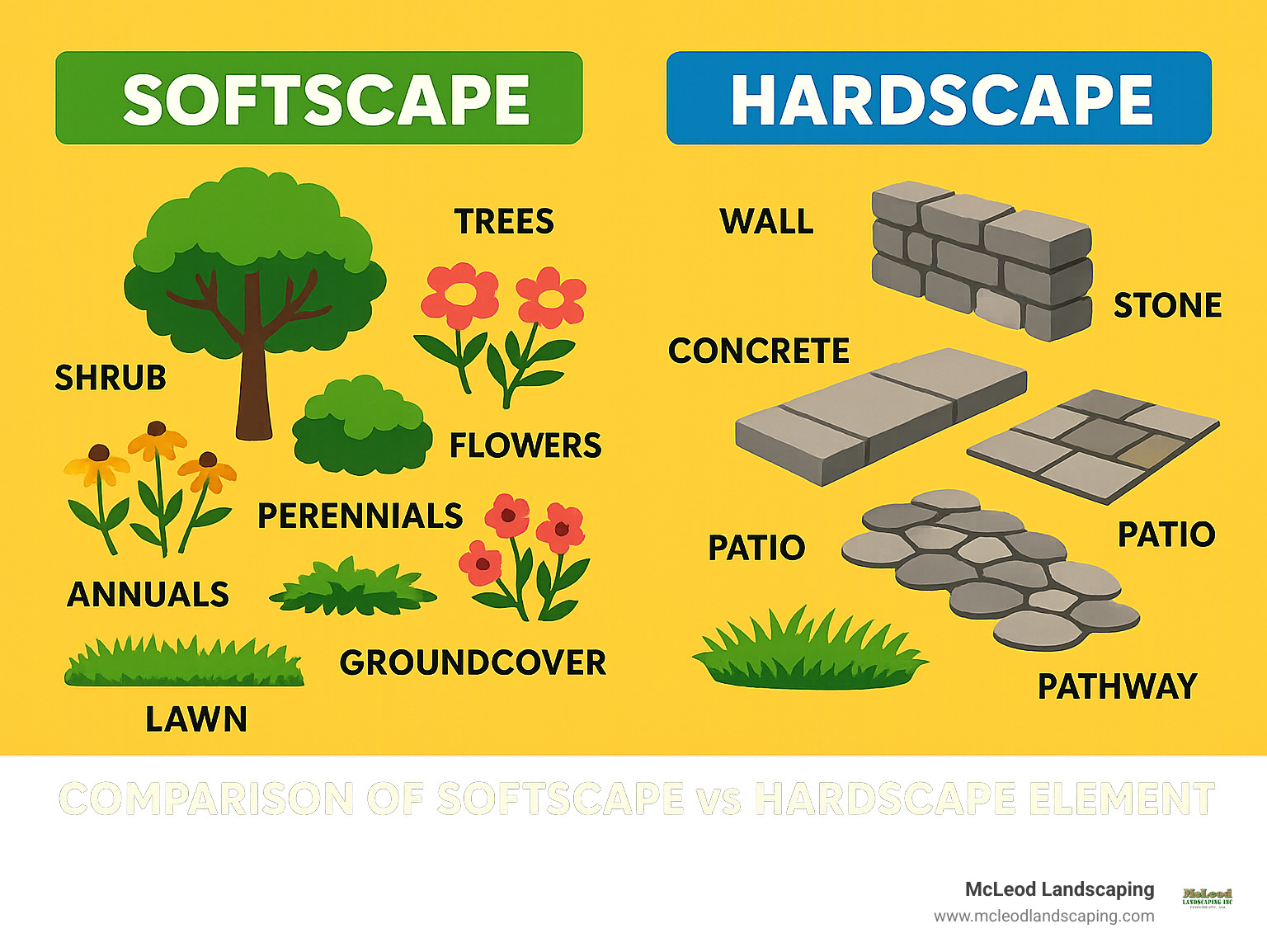
Softscape design refers to the living, horticultural elements in your landscape including plants, trees, shrubs, flowers, grass, and soil. If you’re looking to create a beautiful outdoor space, here’s what you need to know about softscape design:
When done right, softscape design transforms ordinary outdoor spaces into vibrant, dynamic environments that evolve with the seasons. Unlike hardscape elements (the non-living components like patios and walkways), softscape brings life, movement, and ecological benefits to your property.
Professional landscaping that balances softscape and hardscape elements can increase commercial property values by up to 14% and generate 7% greater rental revenue. Additionally, studies show that customers are willing to pay up to 12% more in establishments with professionally designed landscapes.
A well-designed softscape doesn’t just look beautiful—it serves important environmental functions. Plants cool the air, filter pollutants, provide habitat for wildlife, and help manage water runoff. The strategic placement of trees, shrubs, and perennials can also reduce your energy costs by providing shade in summer and windbreaks in winter.
I’m Scott McLeod, owner of McLeod Landscaping with over three decades of experience creating balanced softscape designs that improve both residential and commercial properties throughout the Merrimack Valley area. My team and I specialize in creating custom softscape solutions that not only beautify your property but also address specific site challenges while minimizing maintenance requirements.
Softscape design vocab to learn:
– Hardscape vs Softscape
– difference between landscape and hardscape
– landscape and hardscape design
Ever walked through a garden that just felt right? That’s no accident. Behind every beautiful landscape is a set of principles that guide how living elements work together to create something special.
At McLeod Landscaping, we’ve spent over three decades perfecting the art of softscape design throughout the Merrimack Valley. We’ve learned that great gardens start with understanding a few fundamental concepts that help your plants not just survive, but truly thrive in our unique New England conditions.
Good softscape design considers soil health, your specific climate zone, thoughtful color combinations, texture layering, and strategic plant selection. We pay special attention to incorporating native plants that are already adapted to local conditions, identifying microclimates in your yard, and implementing water-wise strategies that keep your landscape looking great while conserving resources.
More info about What is Landscape Design?
Softscape design is where horticulture meets artistry – it’s the thoughtful arrangement of everything that grows and changes in your landscape. While it might look effortless, creating a balanced softscape requires understanding how different plants work together and how they’ll develop over time.
Your softscape includes all the living elements that make your outdoor space come alive:
Your lawn creates open space for recreation and visual breathing room. Trees provide shade, structure, and height to frame your property. Shrubs form the backbone of garden beds and create natural privacy screens. Groundcovers prevent erosion and fill spaces beautifully. Perennials and annuals deliver those pops of color that change with the seasons.
The magic of softscape design is that it’s never truly finished – it’s a living canvas that evolves through the years, becoming more beautiful and established with time.
Think of your landscape as having two complementary personalities: the living softscape and the structural hardscape. Understanding how they differ helps create a balanced outdoor space:
| Feature | Softscape | Hardscape |
|---|---|---|
| Materials | Plants, soil, mulch | Stone, concrete, wood, metal |
| Lifespan | Changes and grows | Relatively permanent |
| Maintenance | Regular care needed | Occasional repairs |
| Water interaction | Absorbs, filters | Redirects, sometimes impermeable |
| Environmental impact | Cools air, supports wildlife | Can increase heat, provides structure |
| Seasonal change | Dynamic, evolving | Static, consistent |
| Installation timing | Best in spring or fall | Can be done year-round |
While your softscape design brings life, color and movement to your property, hardscape elements provide the bones and structure. A stone patio might be beautiful on its own, but add container gardens and border plantings, and suddenly it becomes an outdoor room with personality and charm.
Beyond creating beautiful spaces, thoughtful softscape design is also a smart financial investment:
Commercial properties with professional landscaping see resale values jump by up to 14% compared to similar properties with basic landscaping. If you’re a property manager or owner, that’s a significant return on investment.
For rental properties, the numbers are equally impressive – professionally designed landscapes bring in 7% greater rental revenue on average. Tenants are willing to pay more for properties that offer beautiful outdoor spaces.
We’ve seen how businesses throughout the Merrimack Valley benefit from improved softscape design. Restaurants with attractive outdoor seating areas see increased patronage. Retail spaces with welcoming entrances experience more foot traffic. Office complexes with pleasant green spaces boost employee satisfaction.
And if you’re planning to sell? Properties with poor landscaping can linger on the market up to six weeks longer than those with attractive softscape. First impressions really do matter, and your landscape is the first thing potential buyers see.
When done right, softscape design isn’t just about plants – it’s about creating environments where people want to be, and that translates directly to increased property value.
Creating a stunning softscape design isn’t just about picking pretty plants and hoping for the best. It’s about understanding your unique outdoor space and choosing living elements that will thrive there. At McLeod Landscaping, we’ve spent over three decades helping Merrimack Valley property owners transform their outdoor spaces through thoughtful planning and smart plant selection.
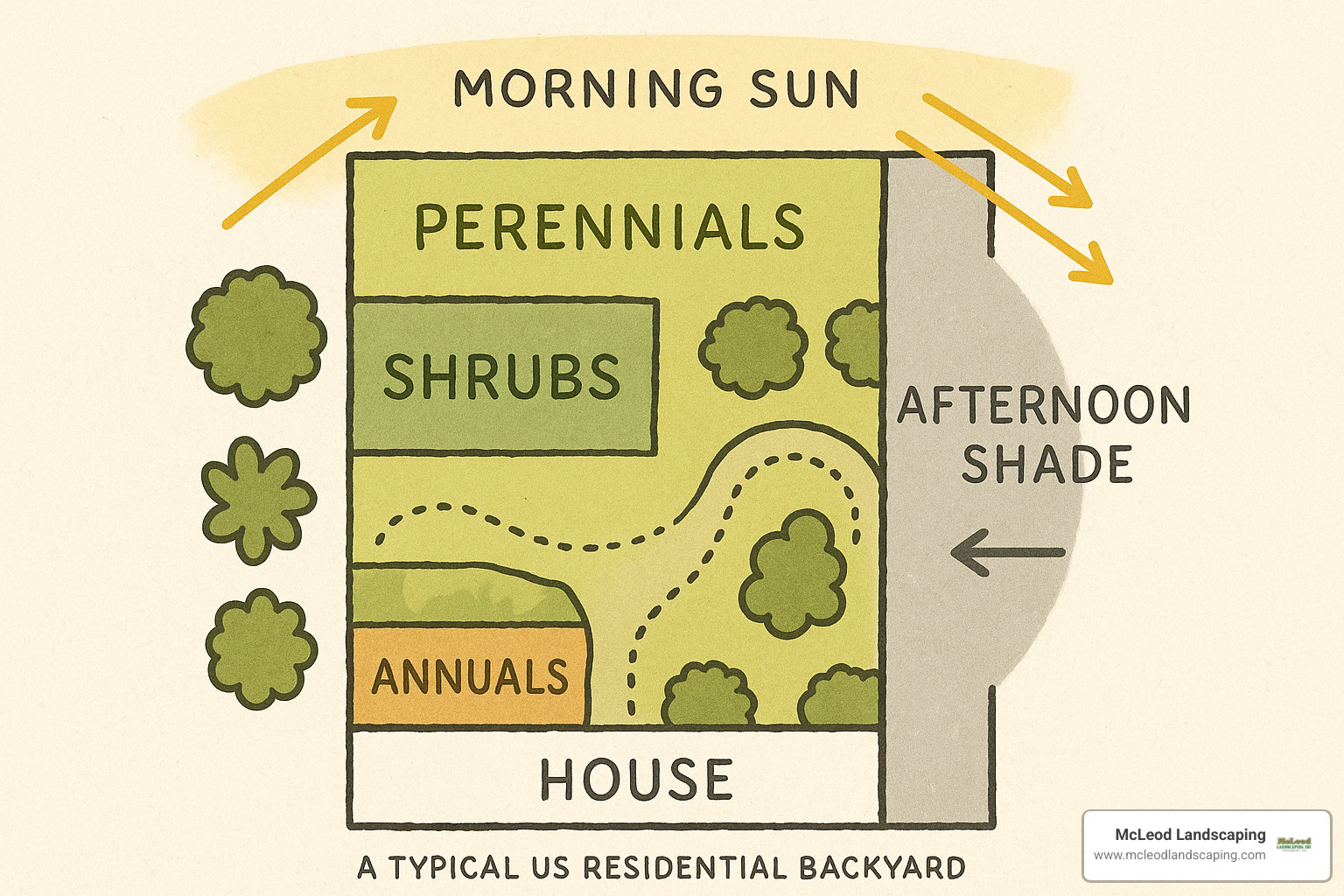
Before we put the first plant in the ground, we conduct a thorough site analysis – checking sunlight patterns throughout the day, testing soil composition and pH, and evaluating drainage conditions. These seemingly small details make all the difference between a landscape that struggles and one that flourishes.
The heart of any softscape design is its plant palette. Native plants like Eastern Redbud, Inkberry Holly, and New England Aster have become the backbone of many of our designs because they’ve evolved to thrive in our local conditions. These natives require less water, fertilizer, and overall fuss while providing essential habitat for local wildlife.
When we’re designing your landscape, we think carefully about the balance between perennials and annuals. Perennials are the workhorses that return year after year, building structure and saving you money over time. But don’t count annuals out – they provide those spectacular seasonal color bursts that make a landscape truly special. We often create designs with about 70% perennials for reliability, with strategic pockets of annuals that can be changed out for fresh seasonal interest.
Every successful softscape design needs an evergreen foundation – we recommend at least 30% evergreen plants to maintain visual interest during our long New England winters when deciduous plants have shed their leaves. Without this year-round structure, even the most beautiful summer garden can look barren and uninspired from November through March.
Here in the Merrimack Valley, we’ve found that Coneflowers, Black-eyed Susans, Hydrangeas, and ornamental grasses like Little Bluestem perform beautifully despite our challenging climate swings. These tough yet attractive plants can handle both our frigid winters and occasionally steamy summers without missing a beat.
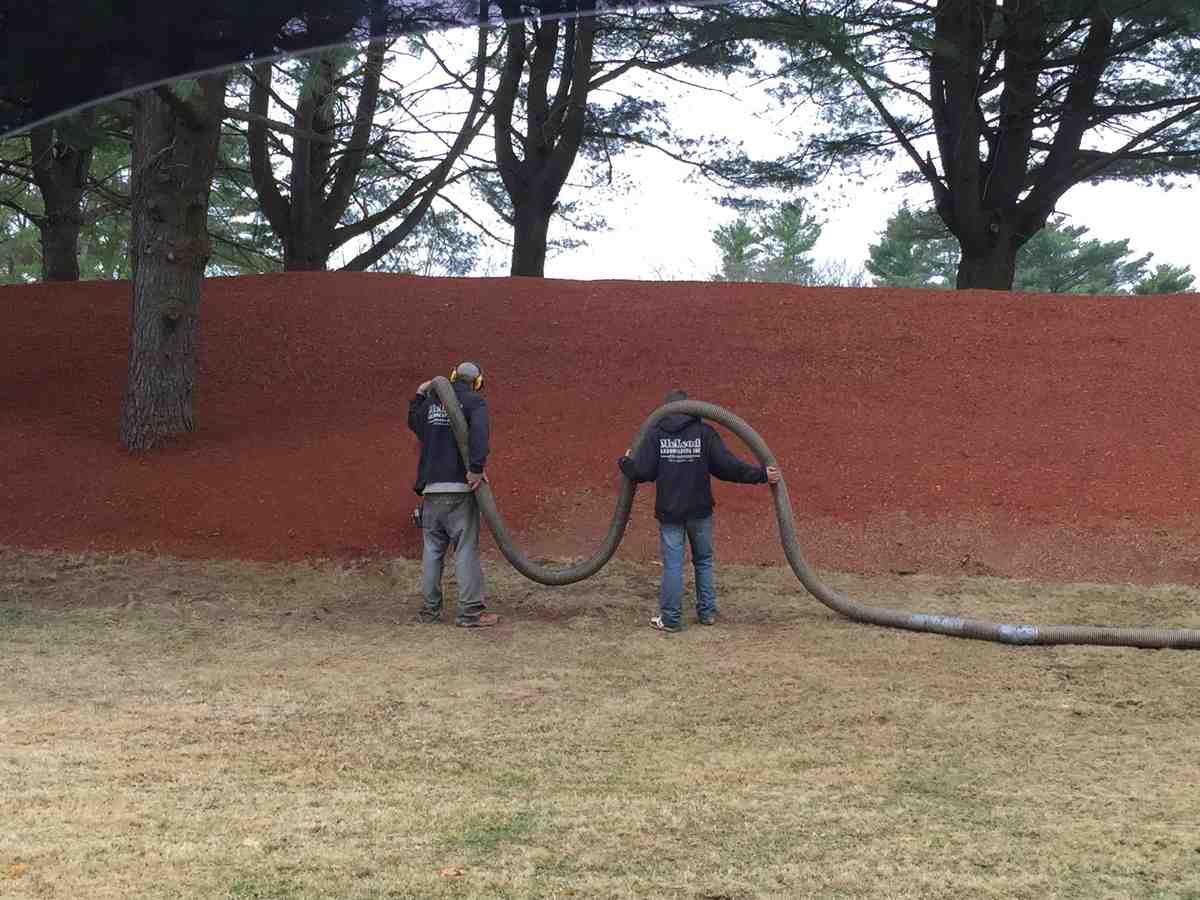
The unsung heroes of softscape design are often the materials you can barely see. Good mulch does far more than just look nice – it’s actively working to support your plants. Pine bark, hemlock, and composted leaf mulch help maintain soil moisture (reducing your water bills), suppress pesky weeds (reducing your maintenance time), and gradually break down to improve soil structure.
For the heavy clay soils common in parts of the Merrimack Valley, we often recommend incorporating quality compost before planting. This simple step improves drainage, aeration, and nutrient content, giving your plants a much better start. It’s like the difference between trying to grow in concrete versus rich, crumbly soil that roots can easily penetrate.
We’re increasingly incorporating sustainable materials in our designs too. For playgrounds or high-traffic areas, recycled rubber mulch provides durability while keeping tires out of landfills. In spots where organic mulches might wash away during heavy rains, crushed recycled glass offers an attractive, eco-friendly alternative that stays put.
Proper mulching is truly one of the smartest investments in your landscape – reducing water needs by up to 30% and moderating soil temperature extremes that stress plants. The EPA’s research on green infrastructure confirms these benefits, making mulch a science-backed approach to landscape health.
Today’s softscape design needs to do more than just look pretty – it should contribute to the health of our local ecosystems. We create habitat corridors by connecting planted areas, allowing wildlife to move safely through your landscape. These living highways are particularly important in more developed areas where natural spaces have become fragmented.
A biodiverse landscape includes plants that bloom across at least three seasons, supporting pollinators from early spring through late fall. We pair these with bird-friendly features – plants that provide berries, seeds, and protective cover. Even in commercial landscapes throughout Tewksbury and Lowell, we’ve created pollinator gardens that serve double duty – beautiful focal points for visitors that also support local wildlife.
Don’t forget what’s happening below the surface! The soil microbiome – that complex community of beneficial fungi, bacteria, and other organisms – is the foundation of plant health. We minimize soil disturbance during installation and recommend avoiding chemical pesticides that can harm these beneficial organisms.
By thinking beyond aesthetics to ecology, your landscape becomes more than just scenery – it becomes a functioning ecosystem that contributes to the health of our broader environment. And that’s something we can all feel good about.
More info about Landscape Design Ideas
Creating a beautiful softscape design is just the beginning of your landscaping journey. Without proper installation and consistent care, even the most thoughtfully designed garden can struggle. After more than three decades of changing outdoor spaces across the Merrimack Valley, we’ve learned that success lies in the details.
Bringing your softscape design to life requires a methodical approach. Think of it as building a house—you need a solid foundation before adding the decorative elements.
We always begin with thorough site preparation, clearing away unwanted vegetation while being careful to preserve any existing plants worth keeping. This clean slate gives us the perfect canvas to work with.
Next comes soil improvement—arguably the most underappreciated yet critical step. Many properties throughout the Merrimack Valley have challenging soil conditions that need addressing. We test and amend accordingly, often incorporating rich compost to give your plants the best possible start.
If your project includes hardscape elements like patios or walkways, we install these first. It’s much easier to work around fresh plantings than to risk damaging them with construction equipment later on.
The planting process follows a specific sequence: large trees first (they’re the anchors of your design), followed by irrigation installation, then shrubs and perennials. We’re always careful to respect proper spacing based on mature plant sizes—a small shrub might look lonely today but will fill its allotted space beautifully in a few years.
Clean bed edging creates that crisp, professional look that separates amateur gardens from professional landscapes. We follow with a generous layer of mulch—typically 2-3 inches of high-quality organic material—before adding any seasonal color plants as the finishing touch.
When implementing softscape designs for our commercial clients in Andover or Burlington, we carefully coordinate installation phases to minimize business disruption while ensuring plants go in during optimal conditions.
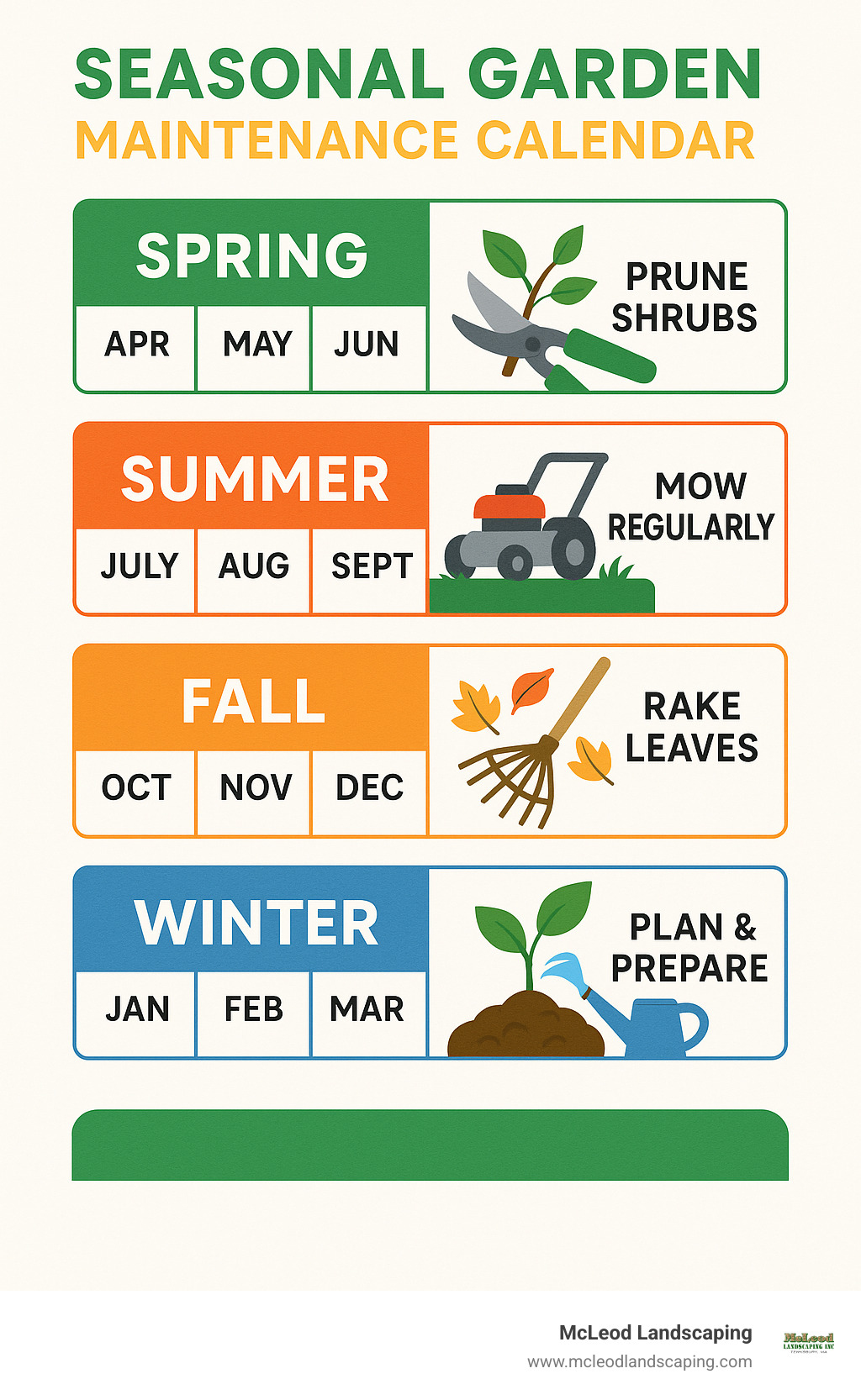
Gardens evolve through the seasons, and maintenance needs change accordingly. A thoughtful care schedule keeps your softscape design looking its best year-round.
Spring wakes up your landscape with a flurry of activity. We cut back ornamental grasses and perennials that were left standing for winter interest, apply targeted pre-emergent weed control as needed, and divide any perennials that have become overcrowded. This is also the perfect time for fertilizing trees and shrubs with slow-release products and refreshing mulch in planting beds.
Summer brings the joy of blooms but also increased maintenance demands. Regular watering becomes critical, especially for newly installed plants that haven’t established deep root systems yet. Deadheading spent flowers encourages many perennials to rebloom, extending your color show. We also monitor closely for any signs of pest or disease issues—catching problems early typically means easier solutions.
Fall offers ideal planting conditions for trees and shrubs in our region. The warm soil and cool air reduce transplant shock while giving roots time to establish before winter. We gradually reduce irrigation as temperatures drop, clean up fallen leaves (composting the healthy ones), and apply winterizer fertilizer to lawns.
Winter might seem quiet, but there’s still work to be done. We protect sensitive plants with burlap wraps or anti-desiccant sprays to prevent winter burn. This dormant season provides the perfect opportunity for structural pruning of deciduous trees and most shrubs (except spring bloomers, which we leave until after flowering). It’s also the ideal time to plan thoughtful adjustments for the coming year.
For our commercial clients throughout Chelmsford and Concord, we develop customized maintenance programs that address their specific property needs while working within their operational requirements.
After decades of creating and maintaining landscapes throughout the Merrimack Valley, we’ve seen—and occasionally made—every mistake in the book. Learning from these experiences helps us guide clients toward more successful outcomes.
Overplanting tops our list of common errors. That bed of small shrubs might look sparse initially, but planting them too closely creates maintenance headaches down the road. We always design with mature sizes in mind, even if it means a landscape that looks slightly unfinished in its first season.
Placing wrong plants in wrong places is another frequent misstep. That gorgeous hydrangea you fell in love with at the garden center might be doomed if planted in full sun without adequate irrigation. We match plants to the specific light, soil, and moisture conditions of each microclimate in your landscape.
Poor drainage can silently sabotage even the most beautiful design. Before we plant a single flower, we ensure water moves appropriately through your landscape—adding drainage solutions where needed to prevent root rot and other moisture-related problems.
Creating designs without considering maintenance realities is a recipe for disappointment. We always discuss maintenance expectations upfront, designing spaces that match your available time, interest, and budget for ongoing care.
Many gardens suffer from neglecting seasonal interest—looking spectacular in June but offering little visual appeal the rest of the year. We carefully select plants that provide a progression of features from early spring through late fall, with structural elements for winter interest.
Improper mulching practices like “volcano mulching” (piling mulch against tree trunks) can actually damage plants rather than help them. Our team applies mulch correctly—never too deep and always pulled back from stems and trunks.
The scattered, one-of-everything approach creates visual chaos rather than the cohesive beauty most people desire. We typically plant in thoughtful groupings and repetitions that create rhythm and harmony throughout your landscape.
At McLeod Landscaping, our experience throughout the Merrimack Valley has refined our approach to creating softscape designs that remain beautiful and manageable for years to come.

Creating a truly remarkable landscape isn’t about choosing between softscape and hardscape—it’s about finding the sweet spot where they complement each other. Like a perfect dance partnership, when living elements and structural features work together, the result is greater than the sum of its parts.
There’s something magical about seeing nature soften the rigid lines of human-made structures. Softscape design excels at this change, turning stark hardscape into something that feels both designed and natural.
Those harsh edges of your patio or walkway? They practically beg for the gentle cascade of creeping phlox or the feathery texture of fountain grass to spill over them. We’ve seen countless commercial entrances in Tewksbury transformed from uninviting concrete slabs to welcoming spaces simply by adding strategic plantings along the edges.
Vertical integration is another powerful technique in our softscape design toolkit. Those pergolas and fences that might feel imposing on their own become living architecture when adorned with climbing hydrangea or native Virginia creeper. In a recent Westford project, we used Boston ivy to connect a commercial building’s façade with the surrounding landscape, creating a seamless transition that softened the structure’s presence.
Color relationships between plants and hardscape materials create visual harmony when thoughtfully planned. The silvery-blue foliage of Russian sage, for instance, makes a stunning companion to weathered cedar decking, while the deep green of boxwood provides neat contrast against light limestone pavers.
Large trees and substantial shrubs break up expansive hardscape areas, creating human-scale spaces that feel comfortable rather than overwhelming. This principle is especially important in commercial settings where large parking areas or wide walkways might otherwise feel barren and exposed.
Not everyone has endless hours to devote to garden maintenance, which is why we’ve perfected several softscape design combinations that look fantastic with minimal upkeep.
Drought-tolerant lawn alternatives paired with gravel paths create a low-maintenance yet attractive landscape foundation. Fine fescue blends or microclover lawns require far less water and mowing than traditional turf, while crushed stone pathways need little more than occasional weeding and refreshing every few years.
Native shrub borders alongside permeable pavers make another winning combination. Plants like Inkberry and Winterberry are adapted to our Merrimack Valley conditions, requiring minimal pruning and care while providing year-round structure and seasonal interest. When paired with permeable pavers that allow water infiltration, they create environmentally friendly spaces that manage rainwater naturally.
The combination of ornamental grasses with cor-ten steel edging delivers a contemporary aesthetic that practically maintains itself. Little Bluestem and Switchgrass need cutting back just once yearly, while the naturally rusting steel edging develops a protective patina that eliminates the need for painting or refinishing.
For those small connecting spaces between hardscape elements, evergreen groundcovers like juniper or bearberry create living mulch that suppresses weeds while adding texture and color. When planted between stepping stones, these groundcovers create integrated pathways that blend the line between planted and paved areas.
Limited space presents unique opportunities for creative softscape design. Even the smallest urban property can become a green oasis with the right approach.
Vertical gardens transform blank walls into living tapestries, making use of often-overlooked vertical space. In downtown Lowell, we’ve installed modular living wall systems planted with carefully selected species that thrive in vertical conditions, turning bland commercial exteriors into conversation pieces.
Container compositions allow for maximum flexibility in minimal space. By grouping pots of various heights and sizes, we create dynamic plant communities that can be easily refreshed seasonally. For busy restaurant patios throughout Andover and Burlington, these container gardens add atmosphere without sacrificing valuable seating space.
Rooftop plantings represent one of the most exciting frontiers in urban softscape design. Converting unused roof areas into green spaces not only creates beauty but also helps manage stormwater, reduces the urban heat island effect, and provides wildlife habitat. Even simple installations of drought-tolerant sedums can transform a barren rooftop into a functioning ecosystem.
The ancient technique of espalier—training trees against walls in decorative patterns—is making a comeback in space-constrained settings. Not only does this approach save space, but it also creates living sculpture that changes with the seasons. We’ve used this technique with both ornamental and fruit-bearing trees in small commercial courtyards throughout the Merrimack Valley.
The key to successful small-space softscape design lies in selecting plants that multitask. Herbs that offer both culinary use and ornamental value, flowering plants that feed pollinators, and compact fruit varieties that provide both beauty and harvest—these hardworking plants maximize impact in minimal square footage.
Hardscape vs Softscape
Hardscaping vs Softscaping
One of the first questions I hear from clients is about cost, and it’s completely understandable. The truth is, softscape design costs vary widely depending on your specific situation.
Think of it like buying a car—there’s a big difference between a basic model and a luxury vehicle with all the bells and whistles. For softscaping, your property size makes a huge difference, as does the complexity of your design vision. Are you looking for a simple refresh with some new perennials, or a complete change with mature trees and specialty plants?
Site conditions play a major role too. If your property needs significant soil improvement or has drainage issues that need addressing before planting, that preparatory work affects the bottom line. Sometimes just getting materials to a hard-to-reach backyard can require extra labor or equipment.
Based on industry averages (not McLeod Landscaping specific pricing), a basic residential softscape installation might range from $2,000-$8,000. Commercial projects, which typically cover larger areas and may require more sophisticated designs, can range anywhere from $10,000 to well over $100,000 depending on scope and complexity.
While professional design and installation might seem like a splurge initially, I’ve seen countless DIY projects that end up costing more in the long run when plants fail or designs don’t work out. Think of it as an investment that pays dividends in both enjoyment and property value.
Absolutely! In fact, I find that the most environmentally friendly softscape designs often require the least maintenance—it’s a wonderful win-win.
The secret lies in working with nature rather than against it. When we select native plants already adapted to the Merrimack Valley’s conditions, they naturally require less babying once established. They’ve evolved to handle our weather patterns, soil conditions, and local pests without constant intervention.
The principle of “right plant, right place” makes a world of difference too. A shade-loving hosta planted in full sun will struggle no matter how much you water it, while that same plant in appropriate conditions will thrive with minimal care.
Smart irrigation approaches like drip systems deliver water precisely where it’s needed, reducing waste while keeping plants healthy. Proper mulching is another game-changer—it suppresses weeds, retains soil moisture, and gradually improves soil structure as it breaks down.
Throughout our commercial projects in the Merrimack Valley, we’ve created landscapes that not only look beautiful but also serve as habitat for local wildlife, manage stormwater effectively, and require minimal resources to maintain. Your landscape can be both gorgeous and good for the planet without becoming a weekend-consuming chore.
Timing matters when it comes to softscape design, but perhaps not in the way you might think. The actual installation has optimal seasons, but the planning process should begin well before the first plant goes in the ground.
For most perennials, annuals, and container gardens, spring planting (April through June in our region) gives plants time to establish before summer heat arrives. However, fall (September through November) often provides ideal conditions for trees and shrubs. These woody plants benefit from establishing roots during the cooler months before winter dormancy.
The planning phase is where many projects get delayed unnecessarily. Ideally, you’ll want to begin the design process 3-6 months before installation. This gives time for thoughtful design development, material selection, and scheduling. Winter is actually a fantastic time to start planning for spring installation—while your garden is dormant, your ideas can be taking shape!
For our commercial clients throughout Carlisle, Chelmsford, and surrounding communities, we often develop phased approaches that minimize disruption to business operations while respecting optimal planting windows.
The most important thing is simply to start the conversation. At McLeod Landscaping, we’ve guided countless clients through the process of changing their outdoor spaces, working with nature’s calendar to ensure successful, thriving landscapes that bring joy for years to come.
There’s something magical about watching a softscape design come to life. What begins as a simple sketch transforms into a living, breathing landscape that changes with the seasons and grows more beautiful with time. That’s the true joy of softscape—it’s never truly “finished” but rather evolves and matures, becoming more captivating with each passing year.
Throughout this guide, we’ve explored how the thoughtful integration of plants, trees, shrubs, and flowers creates outdoor spaces that do far more than just look pretty. Effective softscape design boosts property values, supports local wildlife, manages stormwater, and creates inviting environments where people naturally want to gather.
At McLeod Landscaping, we’ve spent over three decades perfecting the art and science of softscape throughout the Merrimack Valley. We’ve learned that successful landscapes tell a story—one that reflects both the unique character of a property and the people who use it. Whether we’re designing for a busy commercial entrance in Lowell, a municipal park in Chelmsford, or a family backyard in Andover, our approach always begins with listening.
We understand the unique growing conditions of our region—from the clay soils common in parts of Billerica to the challenging microclimates of Westford. This local knowledge allows us to create softscape designs that not only look beautiful on installation day but continue to thrive for years with minimal maintenance.
Your outdoor space has untapped potential. Perhaps it’s a commercial property that could better welcome customers, a municipal space that could better serve the community, or a home landscape that could better reflect your personal style. Whatever your vision, our team has the expertise to bring it to life through thoughtful softscape design that balances beauty with practicality.
Ready to transform your outdoor environment? Let’s start a conversation about how we can help you create a landscape that delights the senses, supports the environment, and adds value to your property. Contact McLeod Landscaping today, and let’s grow something beautiful together.
More info about hardscaping services
Contact McLeod Landscaping today at (978) 640-0957 or click here to schedule a consultation for retaining wall installation. Let our experienced team design and install a functional and visually appealing retaining wall that enhances your landscape.

1881 Main St Unit 1, Tewksbury, MA 01876