
Patio installations are a fantastic way to transform your outdoor living space into a beautiful, functional area that improves your property’s value. Whether you want a stylish retreat for relaxation or an inviting spot for hosting gatherings, a well-designed patio can achieve these goals. Here are a few of the primary benefits:
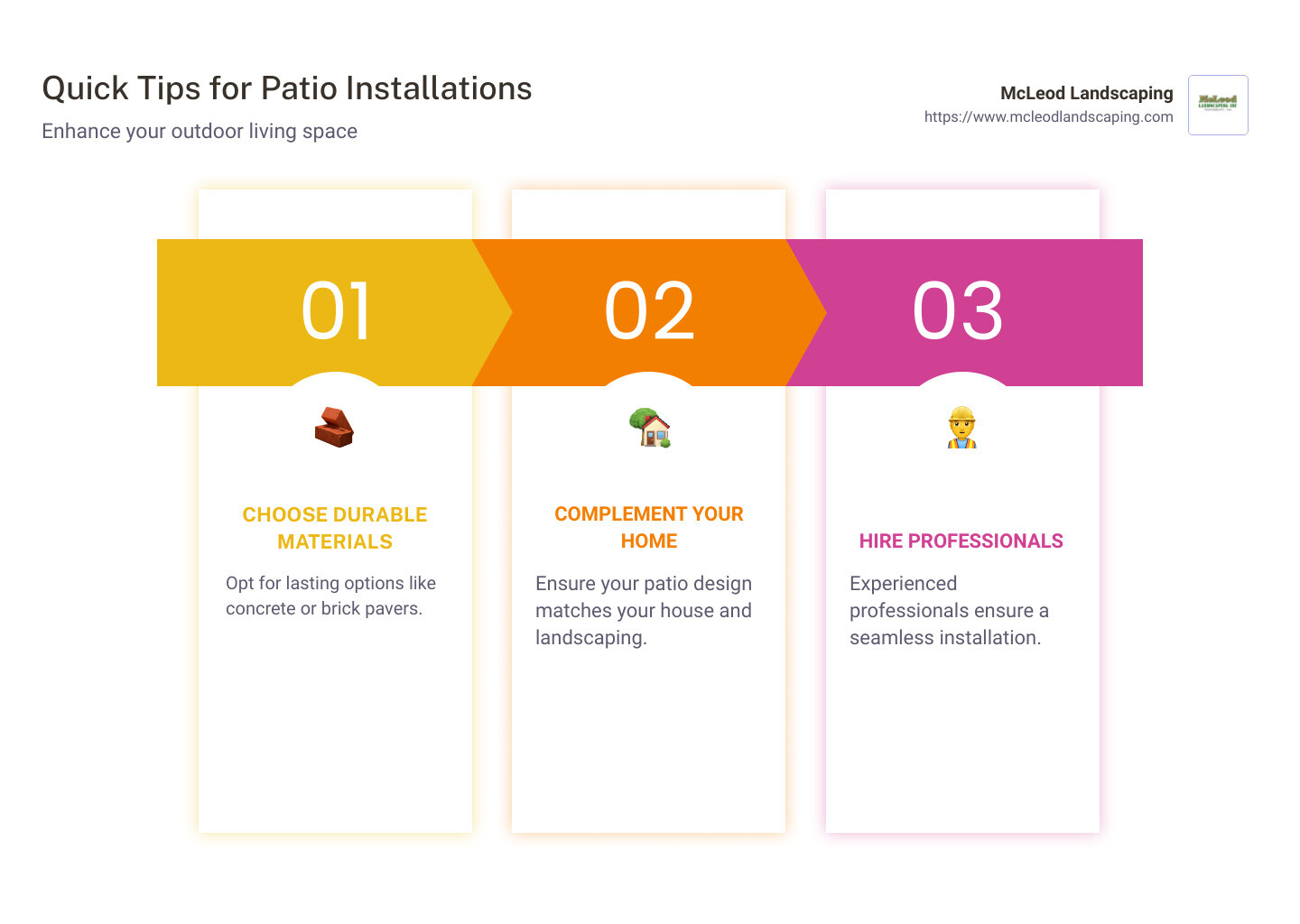
Quick Tips for Patio Installations:
1. Choose durable materials like concrete or brick pavers.
2. Ensure your patio design complements your home and landscaping.
3. Hire experienced professionals for a seamless installation.
I’m Scott McLeod, the owner of McLeod Landscaping Inc., with over 30 years of experience in delivering top-quality, creative, and reliable landscaping solutions, including patio installations. My team takes pride in making your vision a reality.
Important patio installations terms:
– patio companies near me
– patio installer
– patio repairs near me
Selecting the right materials for your patio installation is crucial. It affects not only the look but also the durability and maintenance needs of your patio. Here, we’ll explore some popular patio materials to help you make an informed decision.
Gravel is one of the most budget-friendly options. It’s easy to install and perfect for drainage, making it ideal for rainy climates. Gravel comes in various sizes and colors, allowing for customization. Plus, it’s great for creating rustic, natural-looking patios.
Concrete pavers are a go-to choice for many homeowners. They’re durable, affordable, and versatile. You can mold them into almost any shape and dye them in different colors. Stamped concrete can mimic natural stone or tiles at a fraction of the cost.
Brick offers a classic charm that’s hard to beat. It’s relatively inexpensive and can be laid in various patterns, such as herringbone or basketweave. Brick is sturdy and fares well through harsh weather conditions. Plus, individual bricks are easy to replace if damaged.
Flagstone is perfect for a natural, organic look. It comes in various colors and textures, depending on the type of sedimentary stone available in your region. Flagstone requires some maintenance to keep its beautiful appearance over time but offers a unique, high-end look.
Travertine is a type of limestone that’s durable and aesthetically pleasing. It has a natural, rustic appearance and is cool to the touch, making it ideal for hot climates. Travertine is also slip-resistant and easy to maintain.
Clay brick pavers offer a timeless appeal. They’re durable and can withstand harsh weather conditions. Clay bricks come in a variety of colors and can be arranged in different patterns to suit your design preferences.
Rubber pavers are an eco-friendly option made from recycled materials. They’re durable, slip-resistant, and comfortable to walk on. Rubber pavers are available in various colors and designs, making them a versatile choice for any patio.
Marble pavers add a touch of luxury to any patio. They’re durable and have a high-end, polished look. Marble is also cool to the touch, making it a great choice for hot climates. However, it requires regular maintenance to keep its appearance.
Porcelain pavers are durable and resistant to stains and scratches. They’re available in various styles and colors, mimicking the look of natural stone, wood, or concrete. Porcelain pavers are low-maintenance and perfect for modern patio designs.
Greencrete pavers are made from eco-friendly materials. They’re durable and offer a natural look. Greencrete is a sustainable option for those looking to reduce their environmental footprint.
Plastic pavers are lightweight and easy to install. They’re made from recycled materials, making them an eco-friendly choice. Plastic pavers are available in various colors and designs, offering versatility for any patio project.
Cobblestone pavers provide a rustic, old-world charm. They’re incredibly durable and can withstand heavy traffic. Cobblestones are available in various colors and sizes, allowing for unique, custom designs.
Sand pavers are a budget-friendly option. They’re easy to install and provide a natural, beach-like appearance. However, they may require more maintenance to prevent shifting and settling over time.
Bluestone pavers are known for their durability and natural beauty. They come in various shades of blue and gray, adding a sophisticated look to any patio. Bluestone is also slip-resistant, making it a safe choice for outdoor spaces.
Aircrete pavers are lightweight and easy to install. They’re made from a mixture of cement and air bubbles, making them a sustainable option. Aircrete pavers are durable and provide good insulation.
Mulch pavers are an eco-friendly option made from recycled materials. They provide a natural look and are comfortable to walk on. Mulch pavers are also slip-resistant and easy to maintain.
Mycelium pavers are made from fungal roots and organic waste. They’re biodegradable and eco-friendly. Mycelium pavers offer a unique, natural look and are suitable for sustainable patio projects.
Hempcrete pavers are made from hemp fibers and lime. They’re lightweight, durable, and eco-friendly. Hempcrete pavers provide good insulation and a natural appearance.
Asphalt paving is a durable and cost-effective option. It’s easy to install and maintain. Asphalt is available in various colors and can be customized to suit your patio design.
Resin pavers are made from a mixture of resin and aggregates. They’re durable, slip-resistant, and low-maintenance. Resin pavers are available in various colors and designs, making them a versatile choice for any patio.
Timber pavers provide a natural, rustic look. They’re made from durable wood and can be arranged in various patterns. Timber pavers require regular maintenance to prevent rot and decay but offer a warm, inviting appearance.
Choosing the right material for your patio depends on your budget, design preferences, and maintenance needs. By understanding the benefits and drawbacks of each material, you can make an informed decision that suits your lifestyle and improves your outdoor space.
Next, we’ll dive into planning and preparing your patio space.
Planning and preparing your patio space is crucial for a successful installation. Here’s a step-by-step guide to help you get started:
First, choose the location for your patio. Consider factors like sunlight, shade, and proximity to the house. If you plan to use the patio for dining or entertaining, place it near the kitchen for easy access.
Accurate measurements are key. Use a tape measure to determine the length and width of the area. Mark the boundaries with stakes and string. Double-check your measurements to ensure everything fits perfectly.
Clear the area of any grass, plants, or debris. Dig down to a depth of about 6-8 inches. This will make room for the sub-base and paving materials. Use a shovel and a wheelbarrow to remove the soil.
A strong sub-base is essential for a durable patio. Fill the excavated area with gravel or crushed stone to a depth of about 4 inches. Compact the sub-base using a tamper or a plate compactor. This will create a stable foundation.
If you’re using concrete pavers, prepare the concrete mix according to the manufacturer’s instructions. Mix it until it reaches a consistent, workable texture. If you’re using pre-made pavers, you can skip this step.
Lay the paving slabs or concrete pavers on top of the sub-base. Start from one corner and work your way out. Use a rubber mallet to gently tap each paver into place. Leave a small gap between each slab for sand or mortar.
Fill the gaps between the paving slabs with sand or mortar. For sand, simply sweep it into the gaps and compact it with a tamper. For mortar, use a trowel to apply it evenly. Make sure the gaps are completely filled to prevent shifting.

By following these steps, you’ll create a solid foundation for your patio that will last for years. Next, we’ll explore various installation techniques and patterns to add a unique touch to your patio design.
Once you’ve prepared your patio space, it’s time to think about the installation patterns. The pattern you choose can significantly impact the overall look and feel of your patio. Here are some popular patterns to consider:
The herringbone pattern is a classic choice known for its zigzag design. It’s highly durable and can handle heavy loads, making it perfect for high-traffic areas.
The running bond pattern is simple yet effective, ideal for small patios. This pattern involves laying pavers in a linear, offset manner, similar to traditional brick walls.
The basketweave pattern is great for casual settings. It mimics the look of a woven basket, offering a relaxed and inviting atmosphere.
The circle design pattern is perfect for creating a focal point. This intricate pattern involves laying pavers in concentric circles.
The random design pattern combines different sizes and shapes of pavers to create a unique, eye-catching layout.
By choosing the right pattern, you can improve the aesthetic appeal and functionality of your patio. Whether you prefer the formal look of herringbone or the casual vibe of basketweave, there’s a pattern that will suit your needs. Next, we’ll dive into the cost considerations and maintenance tips to ensure your patio stays beautiful for years to come.
When planning your patio installation, it’s important to consider both the initial and long-term costs. Here are some key factors to keep in mind:
Hiring a professional for your patio installation can save you time and ensure a high-quality finish. Professional labor costs typically range from $40 to $80 per hour or $4 to $12 per square foot. The complexity of your project and the materials used can affect these rates. For instance, intricate patterns like the circle design might cost more due to the precision required.
Professional Installation
Choosing between DIY and professional installation depends on your budget, time, and confidence in handling the project. For simple designs, DIY might be feasible, but for more complex patterns or materials, hiring a professional is often the better choice.
Keeping your patio in top shape requires regular maintenance. Here are some tips:
Even with proper maintenance, your patio may need occasional repairs. Common issues include cracking, uneven settling, and gaps between pavers.

By following these maintenance tips and addressing repairs promptly, you can extend the life of your patio and keep it looking great.
Next, we’ll tackle some frequently asked questions about patio installations to help you make informed decisions.
For budget-conscious homeowners, gravel is the most affordable option. Gravel costs between $1.50 and $4 per square foot, making it an economical choice for large areas. It’s easy to install and perfect for drainage, especially in rainy climates.
Concrete is another cost-effective material, averaging $4 to $8 per square foot. It offers durability and the flexibility to create custom designs, patterns, and colors. With proper maintenance, concrete patios can last for many years.
Bricks, pavers, and flagstones are among the easiest materials to work with for DIY patio installations.
Proper ground preparation is crucial for a durable patio. Here’s a step-by-step guide:
By following these steps, you’ll create a solid foundation for your patio that will stand up to the elements and heavy use.
Next, we’ll explore some popular installation techniques and patterns to help you design a patio that suits your style and needs.
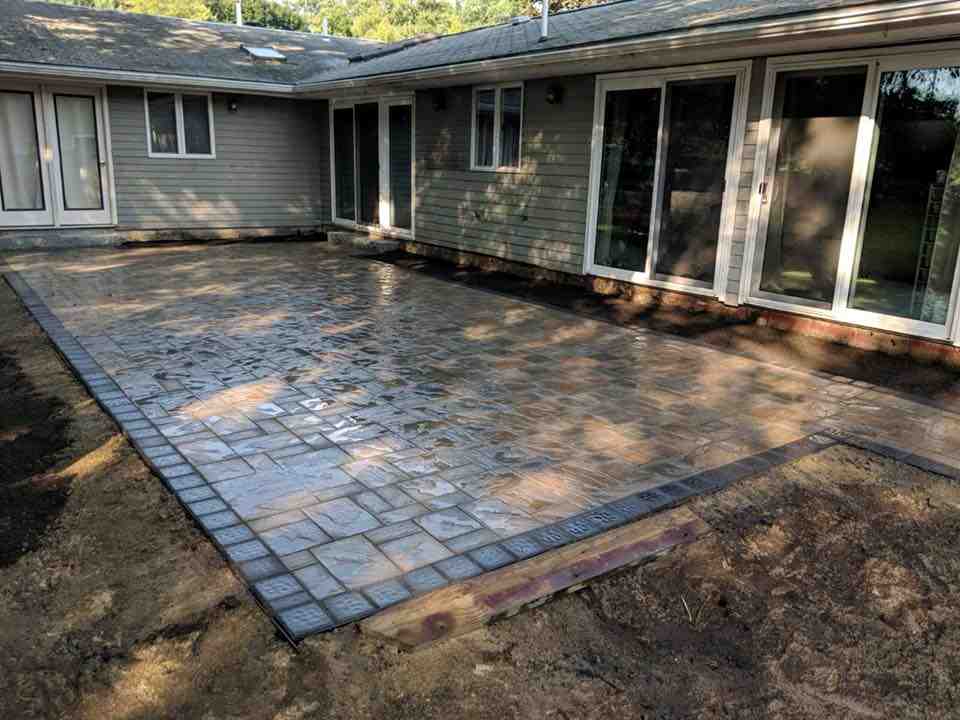
Patio installations offer multiple benefits that can significantly improve your outdoor living space. Whether you’re looking to create a cozy retreat for family gatherings or an neat area for entertaining guests, a well-designed patio can transform your backyard into a functional and inviting space.
Benefits of Patio Installations:
At McLeod Landscaping, we pride ourselves on delivering high-quality patio installation services. Our team of experts is dedicated to bringing your outdoor vision to life with customized designs, top-notch materials, and exceptional craftsmanship.
Ready to transform your outdoor space? Contact McLeod Landscaping today to schedule a consultation and take the first step toward creating the outdoor oasis of your dreams. Let us help you turn your patio and deck dreams into reality.
Contact McLeod Landscaping today at (978) 640-0957 or click here to schedule a consultation for retaining wall installation. Let our experienced team design and install a functional and visually appealing retaining wall that enhances your landscape.

1881 Main St Unit 1, Tewksbury, MA 01876