
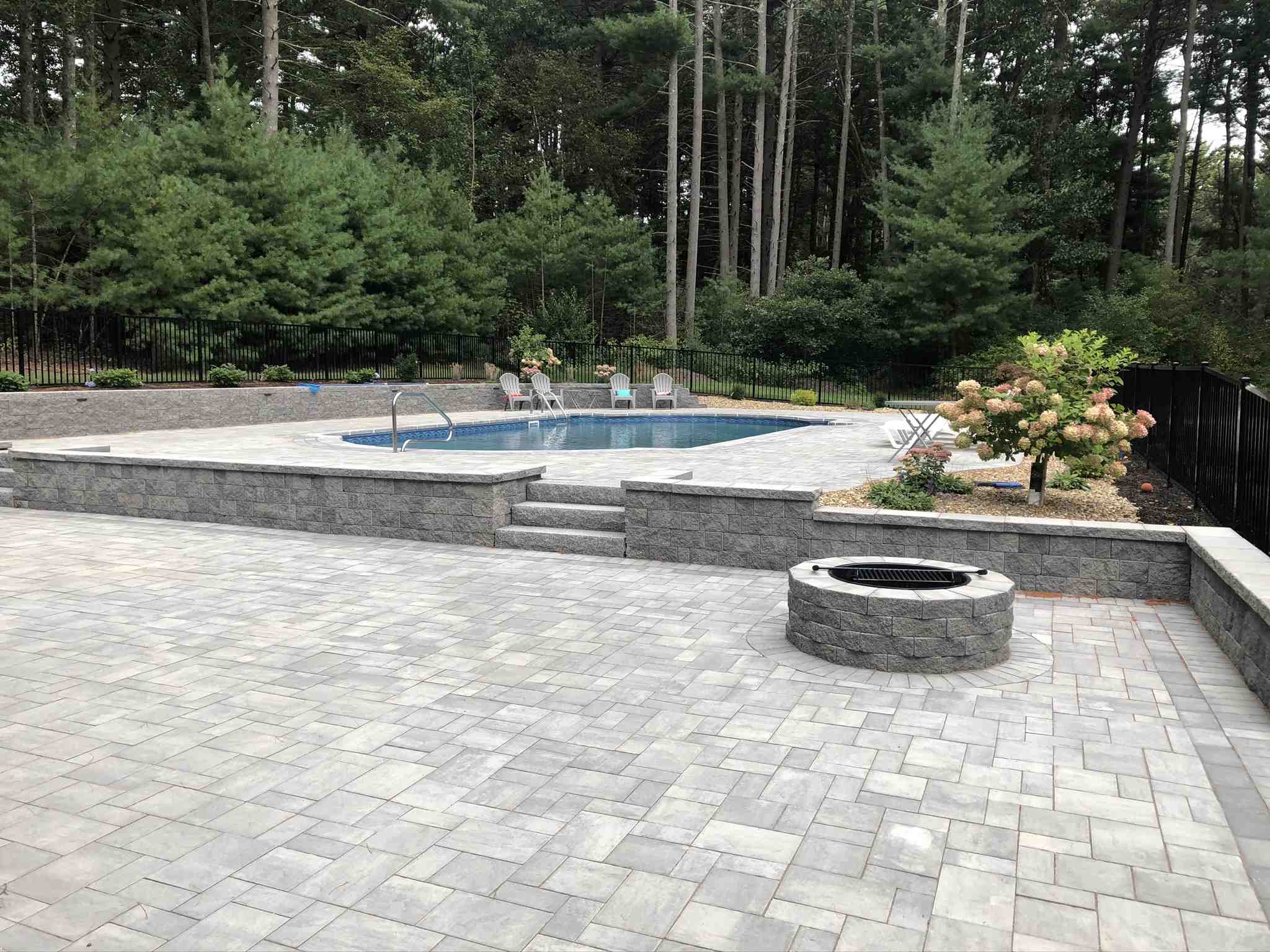
Landscape Walls are a fantastic way to improve the appearance and functionality of any outdoor space. From creating usable flat areas on sloped yards to boosting property value, these walls do much more than hold back soil. Here’s a quick guide to the key benefits:
Whether you’re using sleek concrete designs or natural stone for durability, the options are plentiful.
I’m Scott McLeod. With over 30 years of experience in the landscaping and hardscaping industry, I’ve dedicated my career to specializing in Landscape Walls. My team at McLeod Landscaping delivers exceptional custom designs in the Merrimack Valley area, enhancing both commercial and residential properties. Let’s dig into the marvelous world of Landscape Walls and explore more possibilities.

Key Landscape Walls vocabulary:
– how to landscape a steep slope without retaining walls
– landscape wall stone
– landscaping wall
When it comes to Landscape Walls, understanding the different types can help you choose the best fit for your needs. Each type serves a unique purpose and has its own set of advantages. Let’s break down the four main types:
Gravity retaining walls rely on their own weight to hold back soil. They’re usually made from heavy materials like concrete, stone, or large masonry units. These walls are ideal for shorter heights and are simple to construct. Their design often allows for a slight backward lean into the earth, which helps stabilize the structure.
Cantilever retaining walls are more complex and involve a slab foundation that extends back into the slope. This design provides additional stability as the weight of the earth helps anchor the wall. Often constructed from reinforced concrete, these walls can support taller structures and handle more significant loads.
Embedded retaining walls are built by driving materials deep into the ground. These walls are perfect for areas with limited space, as they don’t require a wide base. They are often used in urban environments or when dealing with very steep slopes.
Reinforced soil retaining walls use layers of geosynthetic materials to strengthen the soil behind the wall. This technique is useful for creating very high walls and is cost-effective compared to other methods. The walls themselves can be made from a variety of materials, including concrete blocks or natural stone.

Each type of Landscape Wall offers distinct benefits. Whether you’re dealing with a gentle slope or a challenging terrain, understanding these options will guide you in making an informed decision.
Choosing the right materials for your Landscape Walls is crucial for both aesthetics and functionality. Let’s explore some popular options:
Poured concrete is a top choice for many landscape projects. It’s affordable, versatile, and durable. Concrete can be molded into various shapes and dyed in different colors, making it suitable for a wide range of design aesthetics—from modern to rustic.
If you’re looking for a natural feel, pressure-treated pine is an inexpensive and common choice. This wood is treated to resist decay and insects, extending its lifespan. However, be cautious when planting near it, as the chemicals used in the treatment can harm plants.
Granite offers a luxurious and timeless look. It’s incredibly durable and can withstand harsh weather conditions, making it ideal for long-lasting Landscape Walls. Although more expensive than other materials, granite’s beauty and strength often justify the cost.
For those who love the look of stone but seek a more budget-friendly option, stone-like finishes are a great alternative. These finishes can mimic the appearance of natural stone while offering the flexibility and affordability of other materials.

When selecting materials, consider the environment and the specific needs of your landscape. Whether you prioritize cost, durability, or aesthetics, there’s a material out there that will suit your project perfectly.
Landscape Walls do more than just hold back soil; they can transform your outdoor space into a functional and beautiful area. Let’s explore some exciting design ideas:
Modular blocks are a versatile and popular choice for creating custom walls. These blocks come in various shapes, sizes, and colors, allowing for creative designs. They are perfect for DIY enthusiasts because they are easy to stack and interlock. Modular blocks are not just for retaining walls; they can also be used to create garden walls and seating areas.
Terraced walls are ideal for sloped landscapes. By creating multiple levels, you can turn a steep hill into a series of flat areas that are perfect for planting or adding outdoor seating. Terraced walls not only maximize space but also add depth and interest to your yard.
Garden walls are a fantastic way to define spaces within your garden. They can act as barriers between different plant beds or create a backdrop for a focal point. Using materials like natural stone or brick can add a classic and timeless feel to your garden walls, complementing the surrounding greenery.
Integrating pathways into your Landscape Walls can improve accessibility and flow in your outdoor space. Pathways can guide visitors through your garden, leading them to different features and focal points. Using materials that match or complement your walls, like stone pavers or bricks, can create a cohesive look.
By incorporating these design ideas, you can create a stunning and functional landscape that meets your needs and improves the beauty of your outdoor space.
Landscape Walls are not just about aesthetics. They play a crucial role in making your outdoor space more functional and sustainable. Let’s explore some of the practical uses of these structures:
If your property is on a hill, slope stabilization is key. Retaining walls help hold soil in place, preventing landslides or erosion. They create flat, stable areas where you can plant a garden or set up outdoor furniture. This is especially important in regions with heavy rain, where slopes are more prone to shifting.
Erosion can wash away soil and nutrients, damaging your landscape. Landscape Walls act as a barrier, reducing the impact of water runoff and wind. By controlling erosion, these walls help maintain the health of your garden and protect the foundation of your home.
Proper drainage is essential to prevent water damage. Retaining walls can include drainage pipes and gravel to redirect water away from your home and garden. This prevents pooling and reduces the risk of flooding, keeping your landscape healthy and safe.
Transform your yard into a haven with Landscape Walls. Use them to create defined outdoor living areas, like patios or seating nooks. These walls can double as benches or planters, adding both function and beauty. Imagine a cozy fire pit area surrounded by a stone wall that provides seating and privacy.
By leveraging the functional uses of Landscape Walls, you can create a landscape that is both beautiful and practical, custom to your unique needs and environment.
When it comes to affordability, several materials stand out for building retaining walls. Poured concrete is often the go-to choice. It’s cost-effective and offers a sleek, modern look. Pressure-treated pine is another economical option, especially if you’re aiming for a natural appearance. Although less common, granite can also be used, but it’s generally more expensive due to its durability and aesthetic appeal.
Drainage is crucial for the longevity of your wall. If your wall is over four feet high or you have clay soils, a drainage pipe is often necessary. Clay soils can retain water, increasing the pressure on the wall. A drainage pipe helps redirect water away, reducing the risk of damage.
Retaining walls come in four main types, each suited for different needs and conditions:
Understanding these FAQs can help you make informed decisions when planning your landscape wall project. The right choices can lead to a beautiful, functional, and durable outdoor space.
At McLeod Landscaping, we bring over 30 years of experience to the table, offering a comprehensive range of services that cater to both commercial and residential clients in the Merrimack Valley. Our expertise in landscape walls ensures that every project is not just aesthetically pleasing but also functional and sustainable.
We specialize in designing and installing landscape walls that can transform any outdoor space. Whether it’s for slope stabilization, erosion protection, or creating beautiful outdoor living spaces, our team is dedicated to delivering top-notch results. We understand the unique challenges that come with each project, and our solutions are custom to meet your specific needs.
Our commitment to quality craftsmanship and customer satisfaction sets us apart. We work closely with you throughout the process to ensure your vision comes to life. From selecting the right materials to implementing effective drainage solutions, we handle every detail with precision and care.
If you’re in the Merrimack Valley and looking to improve your outdoor space with stunning landscape walls, we invite you to contact us. Let McLeod Landscaping help you create an outdoor environment that you and your family will enjoy for years to come. We’re not just building landscapes; we’re crafting the backdrop for your best memories.
Contact McLeod Landscaping today at (978) 640-0957 or click here to schedule a consultation for retaining wall installation. Let our experienced team design and install a functional and visually appealing retaining wall that enhances your landscape.


1881 Main St Unit 1, Tewksbury, MA 01876