
Brick steps repair is essential when you notice loose bricks, crumbling mortar, or cracks that create safety hazards and hurt your property’s curb appeal. Here are the key repair solutions:
Common Brick Step Problems:
Quick Fix Overview:
Damaged brick steps aren’t just unsightly – they’re dangerous. As one homeowner recently shared: “We recently had a homeowner reach out about brick steps pulling away from their porch. Left unaddressed, these issues don’t just affect the home’s aesthetics, curb appeal, and value—they also pose a safety risk, especially for individuals with mobility issues.”
Water damage is the biggest enemy of brick steps. When moisture gets into tiny cracks, it freezes and expands during winter, causing progressive damage that only gets worse over time. The good news? Most brick steps repair projects can restore both safety and curb appeal with the right techniques and materials.
I’m Scott McLeod, owner of McLeod Landscaping, and I’ve been helping property owners tackle brick steps repair projects for over 30 years throughout the Merrimack Valley. My team and I have restored hundreds of brick steps, from simple repointing jobs to complete rebuilds, always focusing on long-lasting solutions that keep families safe.
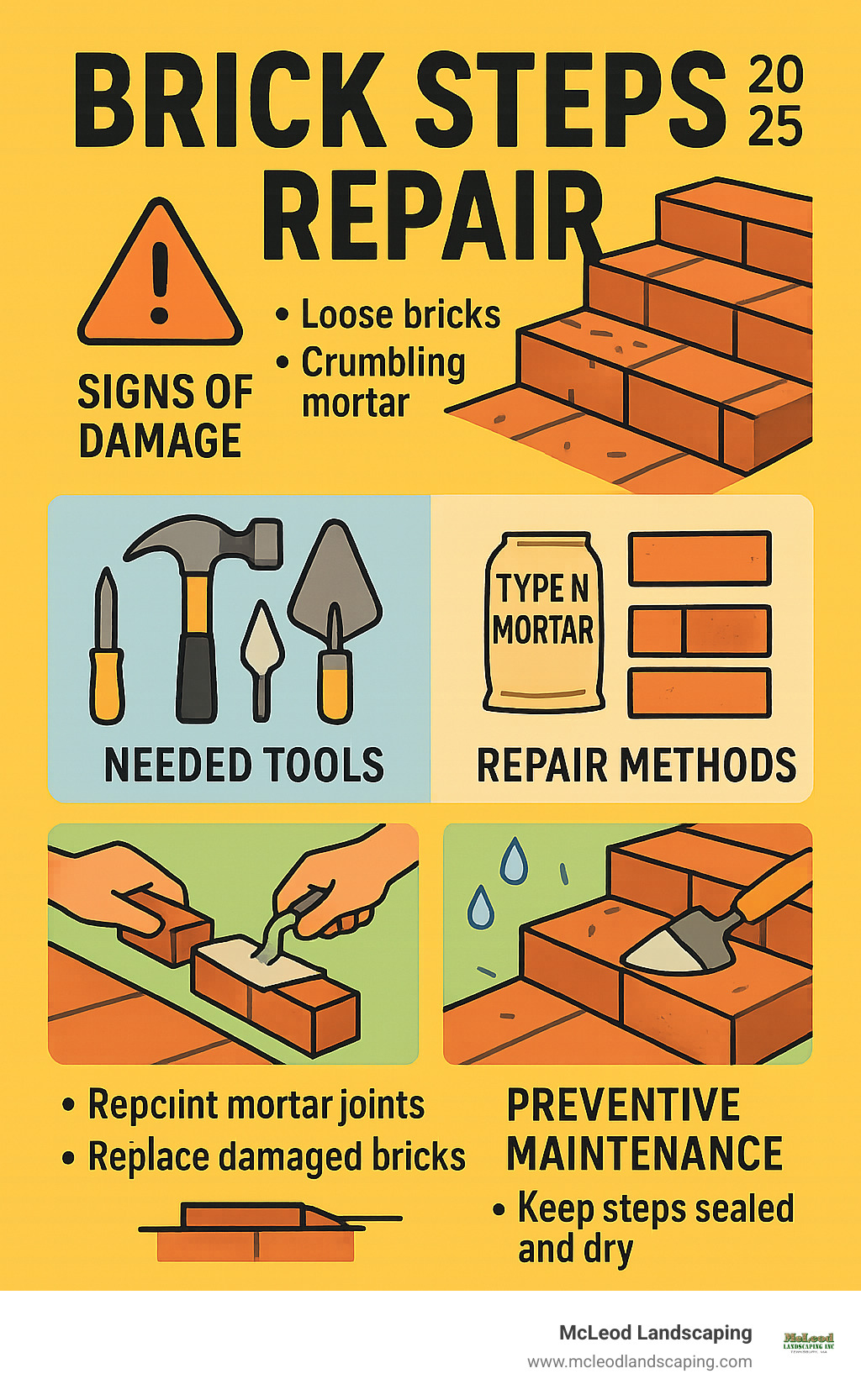
Handy brick steps repair terms:
Before starting a brick steps repair project, it’s crucial to diagnose the underlying problem.
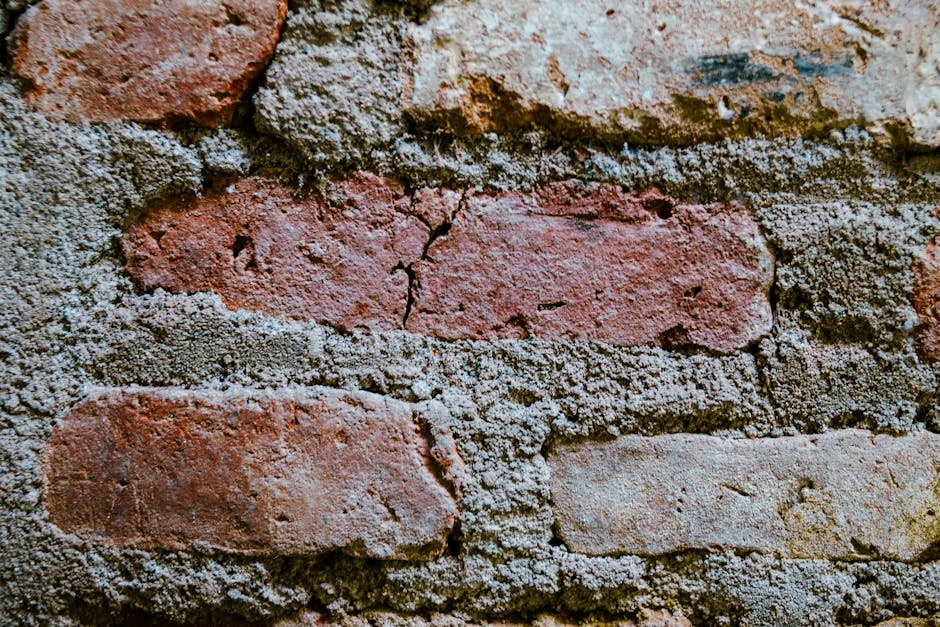
Inspect your brick steps for these common signs of damage:
Cracked bricks are an obvious red flag. These splits occur when water gets into small cracks, freezes, and expands, breaking the brick from within.
Loose bricks that move underfoot are a major safety hazard. This indicates the mortar has failed and can no longer hold the brick securely.
Spalling is when the brick surface flakes, peels, or crumbles. This is caused by moisture getting inside the brick, creating internal pressure that pushes the surface apart.
Crumbling mortar is a common issue where the mortar between bricks becomes soft, powdery, or falls out in chunks. This is typically caused by long-term weather exposure.
Efflorescence is a white, powdery residue on the brick surface. While not directly harmful, it indicates that water is moving through the masonry. The residue is salt deposits left behind after water evaporates.
The deterioration of brick steps is usually caused by a few key factors.
Water damage is the biggest troublemaker. In the Merrimack Valley, the freeze-thaw cycle is particularly damaging. Water seeps into masonry, freezes, expands with great force, and then thaws, repeating the destructive process all winter.
Soil settling occurs gradually as the ground under the steps shifts or sinks, removing support. This can cause uneven settling, cracks, or steps pulling away from the house. Why issues like these occur often relates to soil conditions and the original base preparation.
Foundation issues can transfer problems to your steps, especially if they are attached to the home. A moving or settling foundation puts stress on connected structures.
Poor drainage creates a constant moisture problem. If water pools around your steps, the constant saturation significantly speeds up deterioration.
Understanding these warning signs and root causes is your first step toward effective brick steps repair. Once you know what you’re dealing with, you can decide whether you need a simple touch-up or a more comprehensive fix.
With the problem identified, you can begin the repair. Most brick steps repair projects are manageable for a DIYer with the right approach.
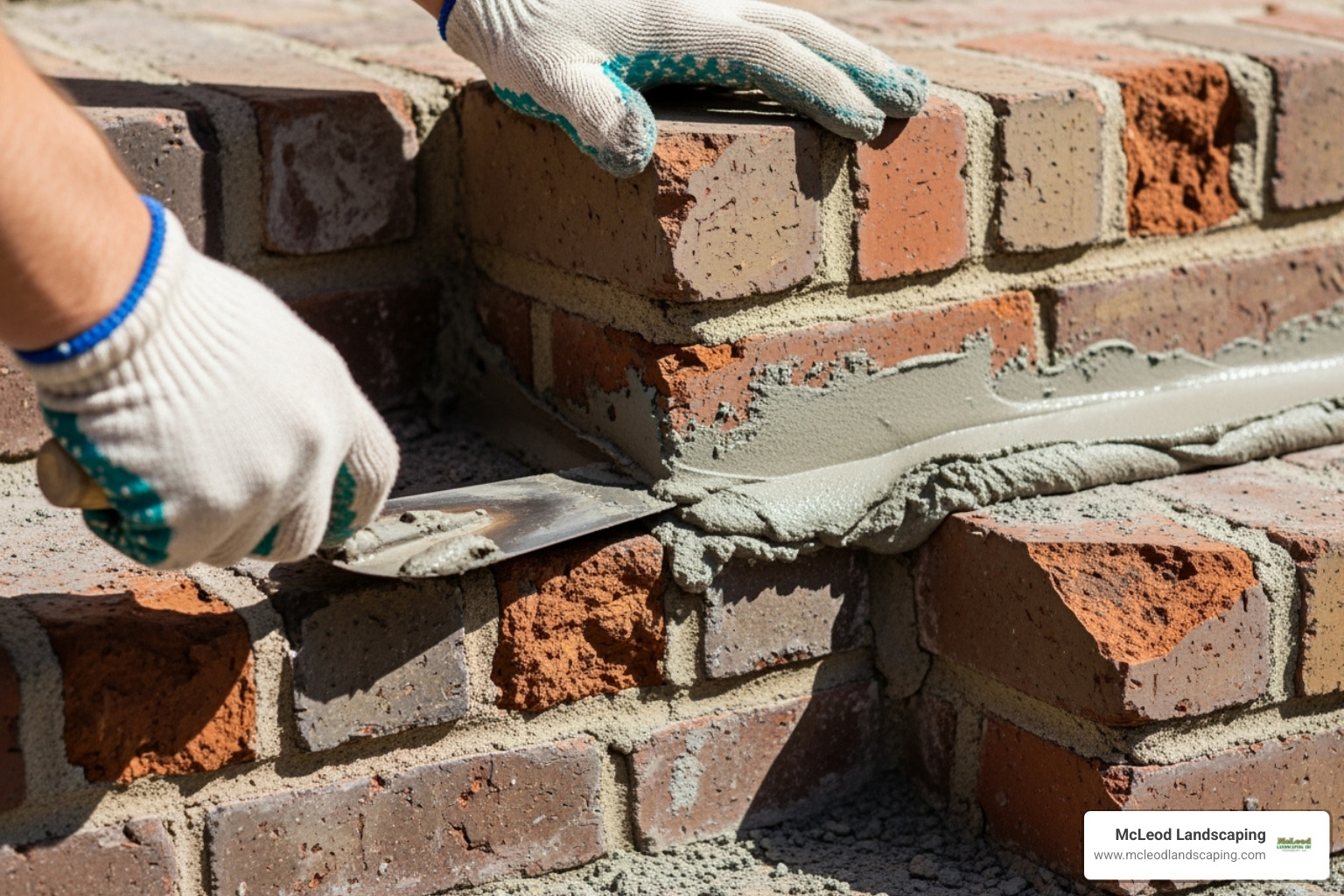
Brick steps repair involves two main techniques: Repointing mortar joints (replacing old mortar) and Replacing damaged bricks (swapping damaged bricks for new ones).
Before starting, prioritize safety. Always wear safety glasses to protect from flying debris. A good dust mask is also essential when grinding old mortar to avoid inhaling harmful silica dust.
Having the right tools is key for a successful repair. You’ll need a hammer and chisel for demolition, plus a trowel for applying mortar. A tuck pointing grinder will save hours of work, and a wire brush helps with cleanup.
For materials, Type N Mortar Mix is best for its balance of strength and flexibility. You’ll also need replacement bricks if any are beyond repair, and plenty of water.
A grout bag simplifies mortar application. A mixing tub and shop vac are also useful.
Proper repointing is crucial for a long-lasting brick steps repair.
Removing old mortar is the most tedious step. Use a hammer and chisel to remove deteriorated mortar to a depth of about three-quarters of an inch. For larger jobs, a tuck pointing grinder is much faster.
Here’s a pro tip: when using the grinder, tackle the horizontal joints first. This creates little pockets that help guide your blade and prevent accidentally cutting into the bricks when you work on the vertical joints.
Mixing Type N mortar correctly is crucial. Type N is recommended for its flexibility, which accommodates the natural expansion and contraction of bricks. Mix it to a thick, smooth consistency that is not runny, similar to cake frosting, especially when using a grout bag.
Before applying new mortar, lightly dampen the area to prevent the existing masonry from drawing moisture from the new mix too quickly. Fill your grout bag halfway and squeeze the mortar firmly into the joints.
The final step, slicking the joint, makes the repair weatherproof. Once the mortar is slightly firm, use a flat jointer to smooth and compact it into a concave shape. This helps shed water and creates a dense, moisture-resistant surface.
Keep the repaired area damp for several days by misting it with your garden hose. This slow curing process ensures maximum strength. For more detailed guidance, check out our complete guide on how to repoint brick stairs.
If bricks are cracked, crumbling, or missing, they must be replaced.
Chiseling out the old brick requires patience. Carefully chip away the surrounding mortar. If the brick is still firm, you may need to break it apart in pieces to remove it.
After cleaning the cavity of all debris, soak the new brick in water until it stops bubbling. This crucial step prevents the dry brick from absorbing moisture from the fresh mortar, ensuring a strong bond.
To set the replacement brick, apply mortar to the bottom and sides of the cavity and also ‘butter’ the brick itself. Gently wiggle it into place, fill any gaps with more mortar, and smooth the joints as you would when repointing.
Curing time requires patience. Keep the area damp for up to a week and avoid stepping on the repair for at least 48 hours. For more tips on brick replacement, visit our brick entry stairs page.
After completing your brick steps repair, proactive maintenance is key to ensuring the steps remain safe and attractive for years. Prevention is far easier than future repairs.
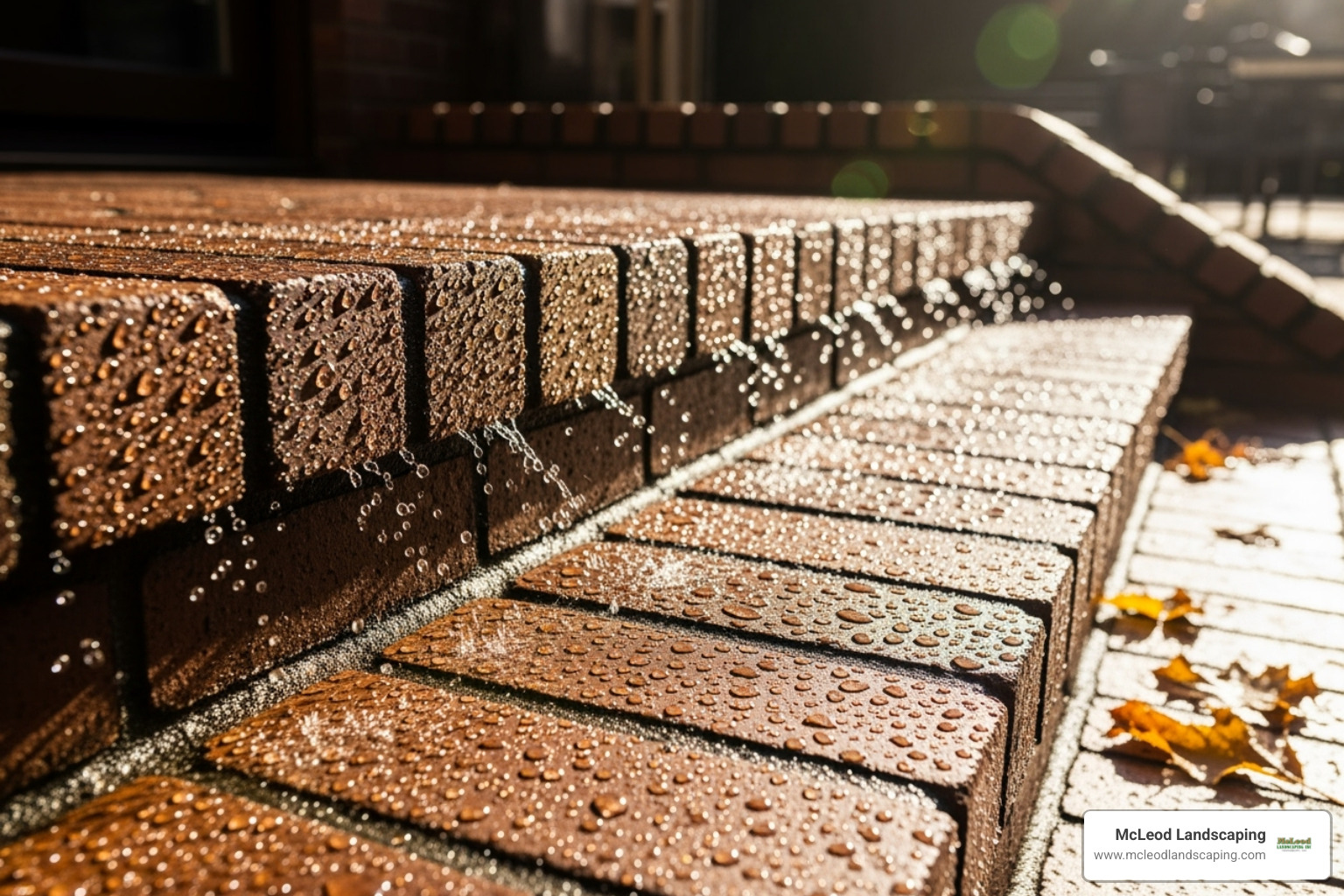
Most preventive maintenance is straightforward and requires no special skills.
Improving drainage is the first line of defense. Ensure water flows away from your steps, not towards them. This may involve adjusting the soil grade, installing a French drain, or redirecting downspouts. Addressing poor drainage is critical for long-term success.
After repairs are fully cured (at least one week), apply a waterproof sealant to horizontal surfaces. Use a breathable masonry sealer that repels water but allows moisture vapor to escape, preventing trapped moisture.
Regular inspections are simple. Seasonally check your steps for new cracks, loose mortar, or efflorescence (white powder). Catching problems early prevents major repairs.
Keep your steps clean by sweeping away debris regularly. Leaves and dirt trap moisture and can hide developing problems.
Address small issues early by sealing minor cracks with masonry caulk to prevent water from sneaking in and causing bigger headaches during our harsh New England winters.
If your budget allows, an overhang or awning can protect steps from direct exposure to heavy rain and snow.
By taking these simple preventive steps, you’re not just maintaining your investment – you’re avoiding the need for extensive hardscape repair services down the road. A little attention now goes a long way toward keeping your steps safe and beautiful for decades to come.
Deciding whether to tackle brick steps repair yourself or call in the professionals is one of those classic homeowner dilemmas. It’s a bit like deciding whether to change your own oil or take it to the shop – sometimes the DIY route makes perfect sense, and other times you really need the expertise of a pro.
The decision often comes down to three key factors: the extent of the damage, your comfort level with masonry work, and your available time and budget. Let me walk you through what you need to consider.
When we look at DIY brick steps repair, the materials typically run between $50-$300 for basic projects like repointing a few joints or replacing a couple of bricks (these are average costs based on internet data, not actual McLeod Landscaping pricing). However, don’t forget about tools – if you don’t already own a tuck pointing grinder, chisels, and other specialized equipment, that initial investment can add significantly to your costs.
The time commitment for DIY work usually ranges from 4-8 hours for minor repairs, though this assumes you know what you’re doing. If you’re learning as you go, expect it to take considerably longer. There’s also the reality that masonry work requires patience – you can’t rush the curing process, no matter how eager you are to see the finished result.
Professional repair costs typically range from $500 to $3,000 or more depending on the complexity of the damage (again, these are average costs based on internet data, not actual McLeod Landscaping pricing). While this seems like a significant jump from DIY costs, professionals bring specialized tools, years of experience, and the efficiency that comes with doing this work day in and day out.
The longevity factor is where professional work often shines. When done correctly with proper materials and techniques, repaired brick steps can last 25-50 years with regular maintenance. DIY repairs can certainly achieve similar longevity, but only if you follow proper techniques and use the right materials – mistakes in mixing mortar or improper curing can lead to premature failure.
When to Call a Professional:
While I’m all for the satisfaction of a good DIY project, there are definitely times when calling in experts like our team at McLeod Landscaping is the smart move. Extensive structural damage is the biggest red flag – if you’re seeing large cracks running through multiple bricks, significant separation from your home, or entire sections that have shifted, you’re looking at problems that go well beyond surface-level repairs.
Sinking or heaving steps are another clear sign that you need professional help. When steps are noticeably moving up or down, it indicates serious issues with the foundation or soil conditions that require excavation and potentially complete rebuilding of the base structure.
Sometimes the decision comes down to practical considerations like lack of time or tools. A tuck pointing grinder alone can be a significant investment, and if you’re only doing this repair once, it might make more financial sense to hire professionals who already have all the specialized equipment.
There’s also the uncertainty factor – if you’re not sure about the extent of damage or the best repair approach, a professional assessment can save you from costly mistakes. Our team at McLeod Landscaping has over 30 years of experience with masonry services in Tewksbury, MA and the surrounding Merrimack Valley, so we can quickly identify issues that might not be obvious to the untrained eye.
Weather Conditions for Repair:
Here’s something many DIYers don’t fully appreciate – brick steps repair is heavily dependent on weather conditions. You can’t just decide to fix your steps on any random weekend when you have time.
Temperature matters tremendously for mortar work. We need temperatures consistently above 40°F (4°C) for several days to ensure proper curing. Freezing temperatures will prevent the mortar from bonding correctly, leaving you with weak, crumbly repairs that will fail quickly. On the flip side, extreme heat can cause mortar to dry too rapidly, which also reduces its strength.
Moisture is equally important – rain can literally wash away freshly applied mortar, and high humidity slows down the curing process. We always aim for mild, dry conditions to ensure the best outcome for your brick steps repair project.
This weather dependency is another advantage of working with professionals – we have the flexibility to schedule work during optimal conditions and the experience to know when conditions are right for different types of repairs.
| Feature | DIY Brick Steps Repair | Professional Brick Steps Repair |
|---|---|---|
| Cost | Materials: $50-$300 (average costs based on internet data, not actual McLeod Landscaping pricing). Tools may be an additional upfront cost if you don’t own them. | Total Cost: $500-$3,000+ (average costs based on internet data, not actual McLeod Landscaping pricing). This includes labor, materials, and specialized equipment. Complex structural issues or complete rebuilds can be significantly higher. |
| Time | Labor: 4-8 hours for minor repairs like repointing or replacing a few bricks. More extensive DIY projects will take longer. | Varies, but typically faster due to professional experience and tools. Minor repairs might be completed in a day, while larger projects can take several days to a week. |
| Complexity | Suitable for minor issues like crumbling mortar, loose bricks, or replacing a single cracked brick. Requires careful attention to detail and patience. | Professionals are equipped to handle all levels of complexity, from minor cosmetic fixes to major structural overhauls, including foundation issues. |
| Longevity | Can last for many years if done correctly with proper materials and curing. Improper technique may lead to premature failure. | Repaired brick steps can last 25-50 years with proper maintenance, sealing, and regular inspections. Professionals ensure correct techniques and materials for maximum lifespan. |
After helping homeowners with brick steps repair projects for over three decades, I’ve heard just about every question you can imagine. Let me share answers to the ones that come up most often – and trust me, you’re not alone in wondering about these things!
Here’s where many DIYers go wrong – they grab whatever mortar is cheapest at the hardware store. But for brick steps repair, Type N mortar is your best friend. Why? It’s all about finding that sweet spot between strength and flexibility.
Think of it this way: your bricks are constantly expanding and contracting as temperatures change throughout the seasons. In our New England climate, that’s a lot of movement! Type N mortar has just the right amount of give to handle this natural movement without cracking.
I’ve seen too many repairs fail because someone used Type S mortar (the really hard stuff meant for structural work below ground). It’s strong, but it’s also stubborn – it won’t bend, so something has to give. Usually, that’s your bricks, and nobody wants hairline cracks running through their beautiful masonry.
Type N mortar can handle foot traffic just fine while being forgiving enough to last through countless freeze-thaw cycles. It’s the Goldilocks of mortars – not too hard, not too soft, but just right for brick steps repair.
This is probably the question I get asked most, and I love answering it because the news is good! With proper repair techniques and regular maintenance, your repaired brick steps can easily last 25 to 50 years – sometimes even longer.
The key word there is “proper.” I’ve seen DIY repairs that lasted only a few years because corners were cut, and I’ve also seen professional work from the 1950s that’s still going strong today. The difference comes down to using the right materials, following correct techniques, and – this is crucial – addressing the root cause of the problem.
If water damage caused your original issues, but you only fix the symptoms without improving drainage, you’ll be back to square one in a few years. But when you do it right the first time, tackle the underlying problems, and keep up with basic maintenance like sealing and inspections, your brick steps repair becomes a true long-term investment.
I tell my clients to think of it like this: you’re not just fixing steps, you’re restoring a piece of your home’s foundation that should serve your family for decades to come.
I wish I could say yes, but Mother Nature doesn’t always cooperate with our home improvement schedules! The best time for brick steps repair is when temperatures stay consistently above 40°F (4°C) for several days running.
Here’s what happens when you ignore this rule: mortar needs time to cure properly, almost like concrete. If it freezes before it’s had a chance to set up, ice crystals form inside the mix and basically destroy the bond. You’ll end up with crumbly, weak mortar that fails within the first winter – not exactly the lasting repair you were hoping for!
Rain is another enemy of fresh mortar work. I’ve seen beautiful repointing jobs get washed right out of the joints during an unexpected downpour. The mortar gets diluted, loses its strength, and you’re back to square one.
The sweet spot for brick steps repair is a stretch of mild, dry weather with temperatures between 40°F and 90°F. Spring and early fall are usually perfect in our area. If you’re itching to get started but the weather isn’t cooperating, trust me – patience pays off. A repair done in ideal conditions will outlast a rushed job done in poor weather by decades.
After walking through this comprehensive guide to brick steps repair, I hope you feel more confident about tackling this important home maintenance task. Whether you’re dealing with loose bricks, crumbling mortar, or planning ahead to prevent future damage, taking action now will pay dividends for years to come.
Safety should always be your top priority. Those wobbly steps aren’t just an eyesore – they’re a genuine hazard for your family, guests, and delivery drivers. A well-executed brick steps repair eliminates these risks and gives you peace of mind every time someone approaches your front door.
Don’t underestimate the impact on your property value either. Beautifully maintained brick steps create an impressive first impression and signal to potential buyers that you’ve taken care of your home. It’s one of those details that speaks volumes about the overall condition of your property.
The key to lasting results lies in long-term solutions, not quick fixes. Using the right materials like Type N mortar, addressing underlying drainage issues, and following proper curing procedures might take a bit more time upfront, but they’ll save you from repeating the same repairs in a few years.
At McLeod Landscaping, we’ve been helping homeowners throughout the Merrimack Valley tackle these challenges for over three decades. Our expertise extends beyond just fixing what’s broken – we focus on understanding why the damage occurred in the first place and preventing it from happening again.
Sometimes a DIY approach works perfectly for minor repointing or replacing a single brick. But when you’re facing extensive structural damage, sinking steps, or complex drainage issues, having experienced professionals assess the situation can save you time, money, and frustration.
For professional assessment and durable repairs for your stairs, walkways, or patios, explore our Walkway Installation Services. We’re here to help you create outdoor spaces that are both beautiful and built to last.
Contact McLeod Landscaping today at (978) 640-0957 or click here to schedule a consultation for retaining wall installation. Let our experienced team design and install a functional and visually appealing retaining wall that enhances your landscape.


1881 Main St Unit 1, Tewksbury, MA 01876