
Creating a landscape plan is your first step towards transforming your space into a beautiful, functional area that matches your vision. A landscape plan lays out the design and practical elements of your outdoor area before any physical work begins. It considers everything from the types of plants you’ll include to the hardscaping features like walkways and patios.
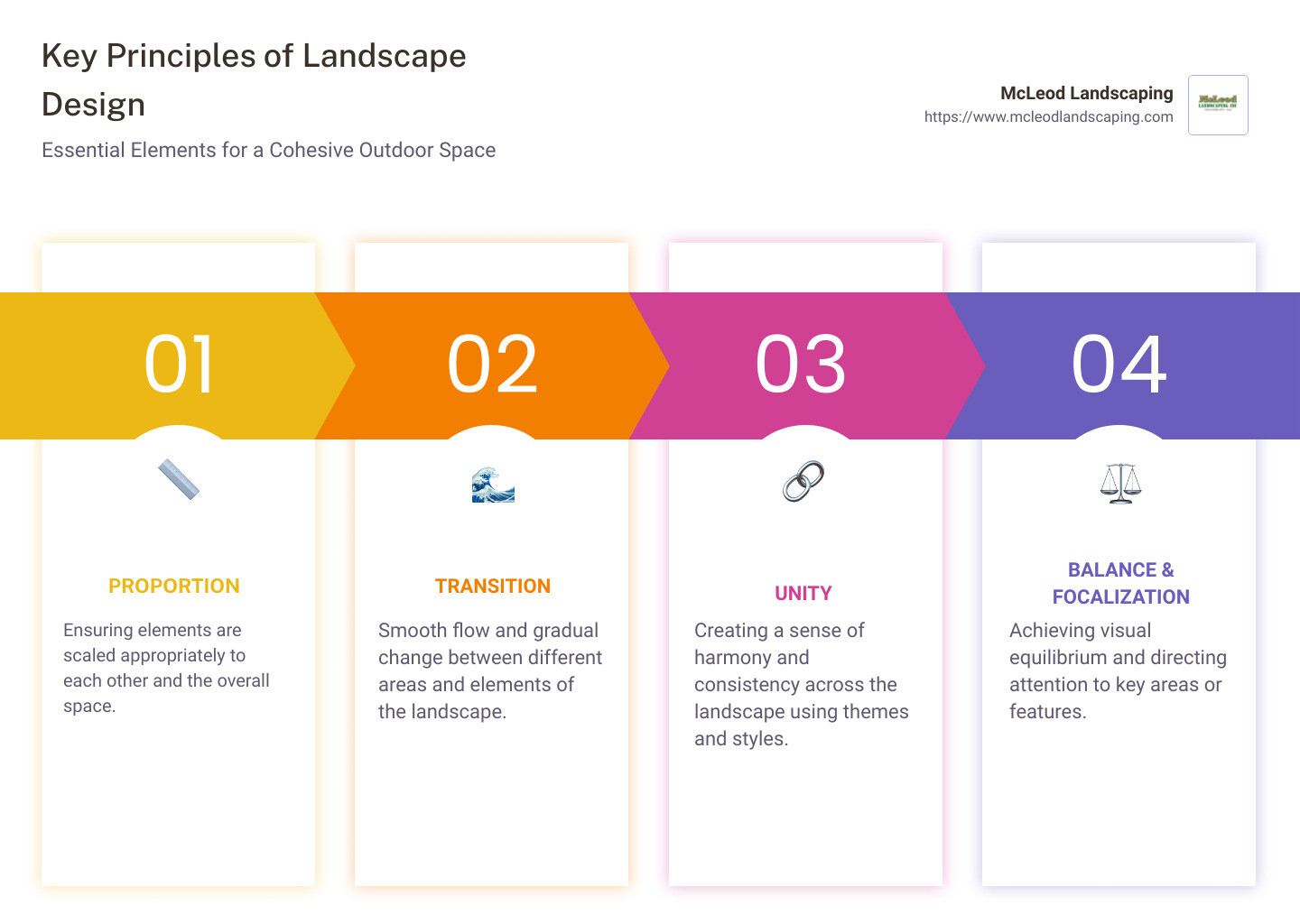
When crafting the perfect landscape plan for your home or commercial property, there are key design principles to keep in mind: proportion, transition, unity, rhythm, balance, and focalization. These principles ensure your landscape is harmonious, aesthetically pleasing, and integrates smoothly with its surroundings.
Whether you’re a commercial property manager looking to enhance your property’s curb appeal or a homeowner dreaming of a backyard oasis, understanding and applying these fundamentals can profoundly impact the success of your landscaping project.
To get started, consider your area’s climate, the soil type, and how you want to use the space. With these considerations in mind, you can begin sketching your plan, selecting plants, and thinking about hardscaping elements that will bring your landscape vision to life.
Before diving into the nitty-gritty of drawing lines and picking plants, let’s take a step back. Knowing the lay of the land, literally, is your starting point. Site analysis, understanding your climate zone, and consulting the USDA Zone Map are foundational steps. They’re like the flour, sugar, and eggs of your landscape planning recipe. Without them, you’re baking a cake with just frosting. Let’s break these down:
Think of site analysis as getting to know your yard on a first-name basis. You’re looking at:
This step ensures your landscape plan works with nature, not against it.
Your climate zone is like a filter when you’re shopping for plants online. It tells you what will thrive in your yard’s specific conditions. The USDA Zone Map divides the country into zones based on the coldest temperatures. Plants are rated by the zones they can survive in.
For example, if you live in Zone 5, you’ll want plants that are hardy to at least Zone 5 or lower. This is crucial because a plant that loves the heat of Zone 9 won’t even put on a jacket in Zone 5.
The USDA Zone Map isn’t just a pretty rainbow of colors. It’s a matchmaker, pairing you with plants that can handle your winter. You can find it online with a quick search. Here’s how to use it:
This map takes a lot of the guesswork out of selecting plants, ensuring they’re likely to survive and thrive in your garden.
Understanding these basics is like building a solid foundation for a house. It sets the stage for a landscape that not only looks good but also works well with your local environment. It means less struggle with plants that don’t fit your soil or climate and more enjoyment of a garden that feels like it was meant to be.
Next, we’ll dive into how to bring your vision to life, from paper sketches to the real, leafy thing. But remember, the key to a successful landscape plan starts with understanding your site, climate, and the plants that will love calling your yard home.
Designing a landscape plan can feel like a big puzzle. But don’t worry, we’re here to help you put the pieces together. Let’s walk through the steps to create a landscape plan that’s both beautiful and functional.
First up, grab some paper and pencils, or if you’re tech-savvy, a tablet or computer. You’ll start by sketching a basic outline of your yard. Include your home, driveway, and any other existing features. Think of this as the “bones” of your garden. It doesn’t have to be perfect, but it should give you a clear idea of the space you’re working with.
Now, take a closer look at what’s already in your yard. Big trees, sheds, or paths? These are features you might want to keep. Mark them on your outline. Working with what you have can save time and money.
What’s underfoot matters too. Grass, concrete, or bare soil? Each has its own set of challenges and opportunities. Decide what stays and what goes. Maybe that bare patch could become a lovely flower bed, or the concrete walkway needs a refresh with some border plants.
Here’s where you get creative. Think about paths, flower beds, or a vegetable garden. Also, consider adding a water feature or a cozy fire pit area. Draw these elements on your plan. Play around with shapes and sizes until it feels right.
If drawing isn’t your thing, don’t sweat it. The Plan-a-Garden app lets you design your landscape digitally. Drag and drop trees, buildings, and paths onto a virtual plot. It’s a great way to experiment with different looks without breaking a sweat.
Another fantastic tool is the iScape app. Perfect for those who want to visualize their landscape in detail. Take a photo of your yard and add elements like plants, lighting, and hardscapes. It’s like seeing the future of your garden on your screen.
By following these steps, you’re on your way to creating a landscape plan that not only looks good but also feels right for you and your home. A great plan is the foundation of a great garden. So take your time, play with ideas, and don’t be afraid to make changes. Your perfect outdoor space is just a plan away.
Next, we’ll explore the key principles of landscape design to ensure your garden is not just beautiful but also harmonious and balanced.
In the journey of transforming your outdoor space, understanding the key principles of landscape design is like having a roadmap. These principles guide you to create spaces that are not just visually appealing but also functional and sustainable. Let’s break down these principles into simple, actionable concepts.
Proportion is all about the size relationship between elements in your landscape. Imagine a giant tree next to a tiny bench. It feels off, right? That’s because the proportion is skewed. Keep things in scale. Your outdoor furniture, plants, and decorative features should all fit comfortably with each other and the overall size of your yard.
Transition refers to the gradual change between elements in your garden. Sharp changes can make a space feel disjointed. To achieve a smooth transition, you can use a mix of different-sized plants leading from tall trees to medium shrubs to ground cover. This creates a layered look that feels natural and flowing.
Unity is about harmony. Every piece in your garden should look like it belongs. This doesn’t mean everything must match perfectly. Instead, it’s about creating a theme or using similar colors, textures, or shapes to tie different areas together. Think of it like a puzzle where each piece is different but together, they create a complete picture.
To add rhythm to your landscape, repeat patterns or colors throughout the space. This repetition guides the eye and creates a sense of movement. For example, if you have a row of bushes, follow it with a repeating pattern of flowers. This not only draws the eye through the landscape but also creates a cohesive look.
Balance can be symmetrical or asymmetrical. Symmetrical balance is like a mirror image – the same on both sides. Asymmetrical balance uses different elements that have similar visual weight but are not identical. This can add interest and dynamism to your garden. For instance, a large tree on one side can be balanced by a group of smaller shrubs on the other.
Finally, focalization directs attention to a specific point. This could be a striking plant, a sculpture, a water feature, or even a beautiful view. The key is to use the lines, shapes, and textures in your garden to lead the eye to these focal points. It’s like highlighting a sentence in a book; it draws your attention.
By applying these principles to your landscape plan, you create not just a garden, but a well-composed outdoor living space that reflects balance, harmony, and beauty. As you move forward with your design, keep these concepts in mind. They are the tools that will help you craft a space that is not only pleasing to the eye but also functional and welcoming.
As we delve into implementing your landscape plan, we’ll see how these principles come to life through the choice of plants, the layout of pathways, and the installation of features like ponds or pergolas. The goal is to create an outdoor space that suits your lifestyle and connects with your home’s architecture, all while being beautiful and sustainable.
Next, we’ll explore how to bring your landscape plan to life, focusing on practical steps like hardscape installation, soil building, and selecting the right plants for your garden.
Bringing your landscape plan from paper to reality involves several critical steps, each with its own set of considerations. Let’s dive into these steps: hardscape installation, soil building, irrigation system, plant selection, and water efficiency.
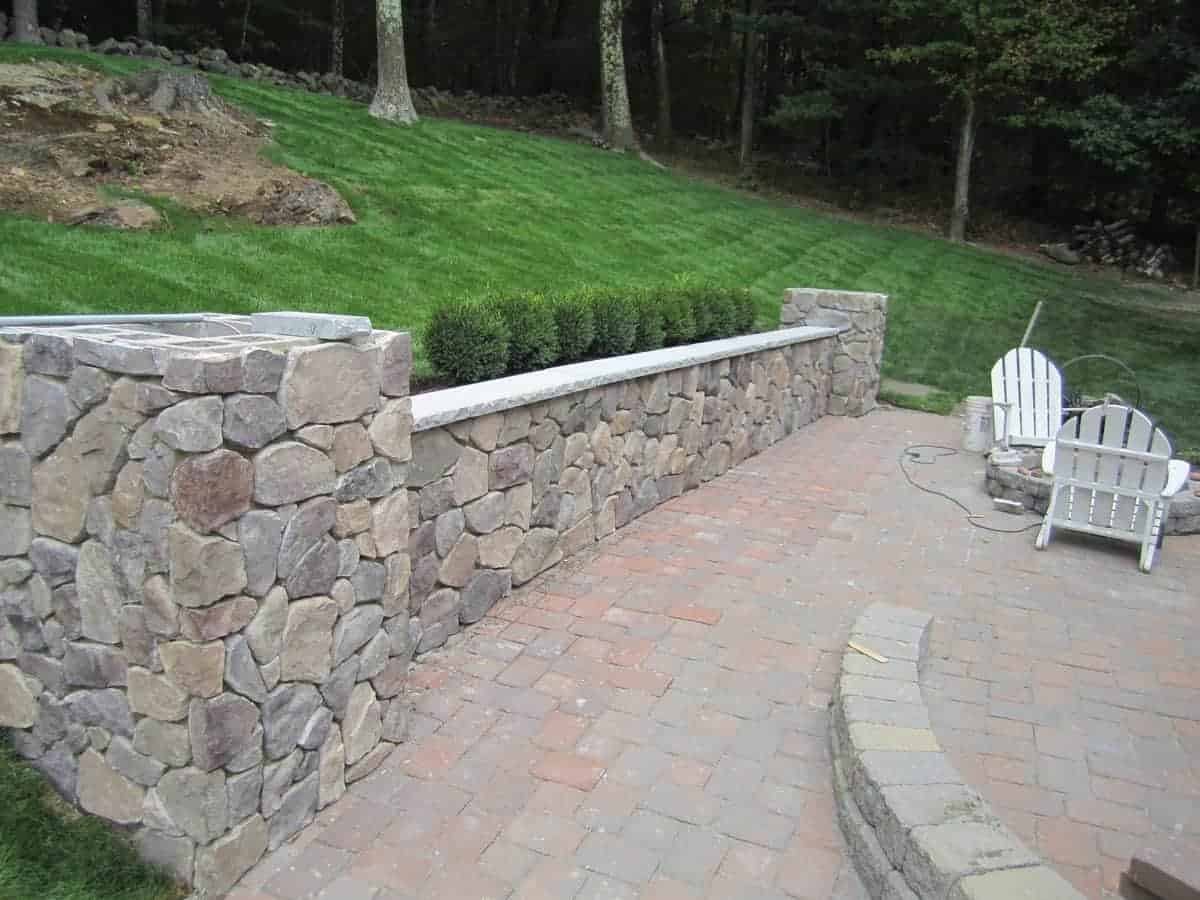
First things first: Hardscaping should be your initial focus. This includes any non-living elements in your landscape, such as walkways, patios, and retaining walls. Hardscape elements provide structure to your garden and are typically installed before planting begins.
Healthy soil is the foundation of a thriving garden. Before planting, take the time to prepare your soil.
Efficient watering is key to maintaining your landscape while conserving water.
Choosing the right plants is about more than just aesthetics. Consider these factors:
Incorporating water-saving techniques into your landscape design is not only good for the environment but can also reduce your water bill.
Remember, implementing your landscape plan is a process. Take it step by step, and don’t rush. Good preparation, especially when it comes to hardscape installation and soil building, lays the groundwork for a garden that will flourish for years to come. Thoughtful irrigation planning and careful plant selection ensure that your garden is not only beautiful but also sustainable and water-efficient.
Keep these practical steps in mind. They are key to transforming your landscape plan from a concept into a creation that enhances your home and lifestyle. Next, we’ll address some common questions about landscape planning to help you navigate your landscaping project with confidence.
Landscape planning can feel like a big puzzle, especially when you’re just starting out. Let’s tackle some common questions to help you piece it all together.
Creating a landscape layout begins with understanding your space. Start with an outline of your yard, noting existing features like trees, paths, and buildings. Consider the ground cover; do you have grass, gravel, or something else? Then, think about new elements you want to add, like flower beds, a vegetable garden, or a water feature.
Yes, there are free apps that can help you design your landscape. Plan-a-Garden and iScape are two popular options. These apps allow you to visualize your garden by adding plants, hardscape elements, and other features to a virtual space. This can be a great way to experiment with different designs before making any physical changes to your yard.
Designing your landscape can be broken down into seven manageable steps:
Landscape planning is a process. It’s okay to take your time and make changes as you go. The most important part is to create a space that you love and that meets your needs.
As we transition from planning to bringing your landscape to life, keeping these questions and steps in mind will guide you through the process. McLeod Landscaping is here to help turn your landscape plan into a reality, crafting the perfect outdoor space for your home.
Crafting the perfect landscape plan for your home is an exciting journey from concept to creation. At McLeod Landscaping, we understand that every homeowner’s dream landscape is unique. That’s why we’re committed to guiding you through each step of this transformative process, ensuring that your vision becomes a reality.
Why Choose McLeod Landscaping?
Turning Plans into Reality
Our process begins with understanding your vision. Whether you’re looking to create a serene backyard retreat or a vibrant garden full of life, we’re here to make it happen. We consider every detail, from the color and texture of plants to the scale and form of hardscaping elements, ensuring a harmonious and balanced design.
We also recognize the importance of functionality and maintenance. Our designs not only enhance the beauty of your home but also consider practical aspects like irrigation, lighting, and ease of care. Our goal is to create a space that you can enjoy for years to come without undue burden.
Let’s Get Started
Embarking on your landscape project with McLeod Landscaping means partnering with a team that is as passionate about your outdoor space as you are. We’re ready to bring our expertise, creativity, and dedication to your project, ensuring a seamless transition from a well-planned landscape design to a beautifully realized outdoor living space.
To learn more about how we can transform your outdoor space, visit our patio installation services page. Let’s create something beautiful together.
A well-executed landscape plan not only enhances the beauty and value of your home but also enriches your quality of life. At McLeod Landscaping, we’re committed to making your landscape dreams come true.
Contact McLeod Landscaping today at (978) 640-0957 or click here to schedule a consultation for retaining wall installation. Let our experienced team design and install a functional and visually appealing retaining wall that enhances your landscape.

1881 Main St Unit 1, Tewksbury, MA 01876