
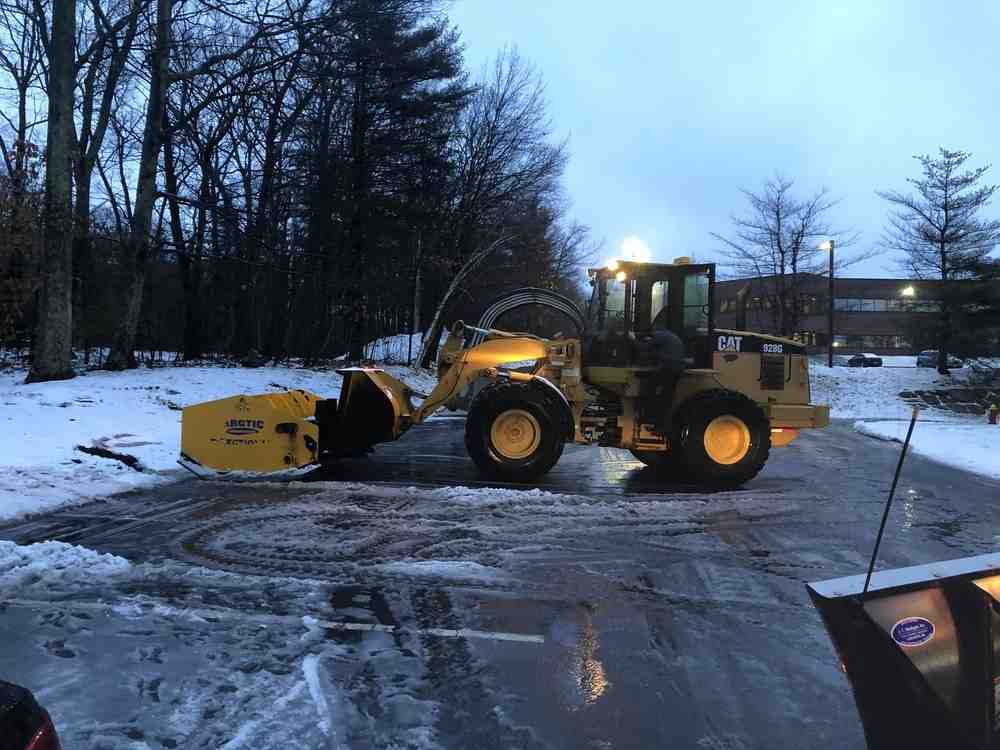
When considering how to price commercial snow removal, it’s crucial to balance fair pricing for clients with profitability for your business. Factors include overhead costs, job length, market competition, and necessary equipment.
Understanding these key components helps establish competitive and profitable prices.
I’m Scott McLeod, owner of McLeod Landscaping, and I’ve guided businesses in the Merrimack Valley area for over three decades. My expertise in how to price commercial snow removal ensures well-balanced and strategic solutions catered to diverse needs and market demands.
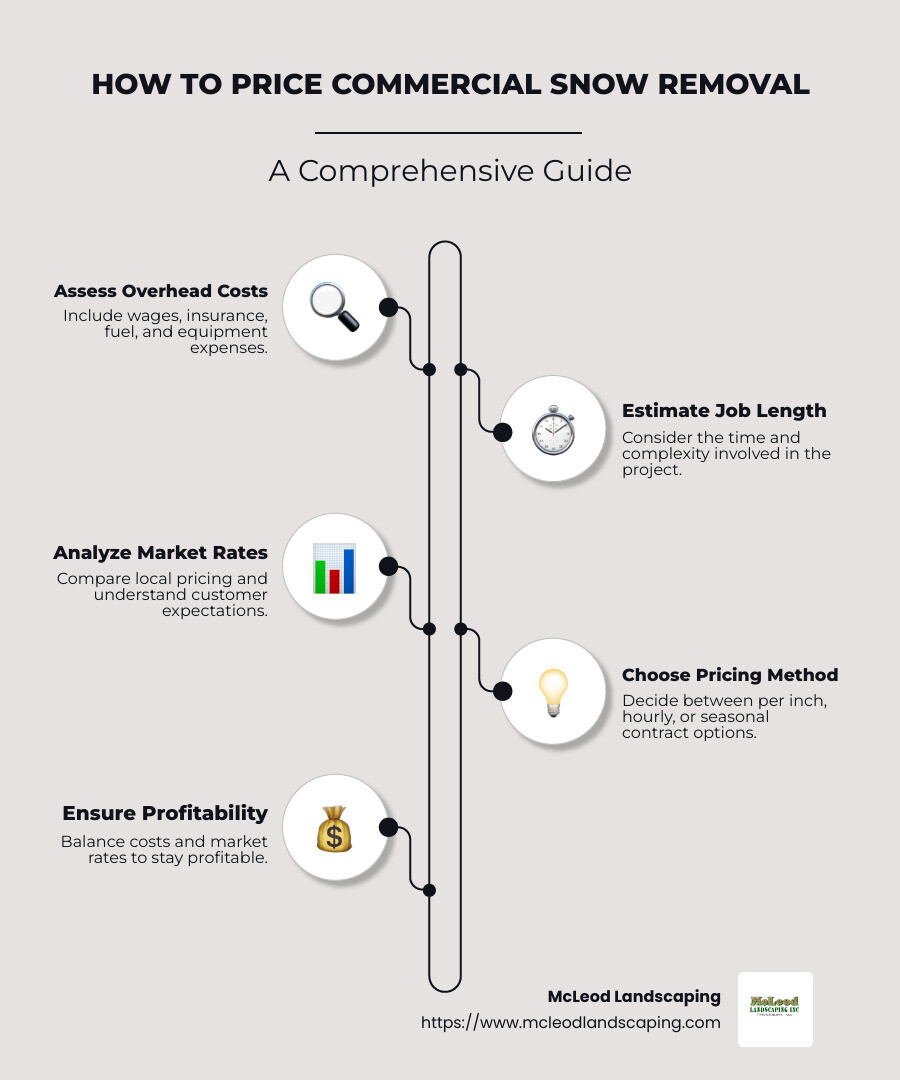
Simple guide to how to price commercial snow removal:
– average cost for commercial snow removal
– commercial plowing service
– snow plowing pricing commercial
When it comes to commercial snow removal, the process is more than just clearing snow. It involves a variety of tasks, including snow plowing, snow removal, and ice removal. Each task requires specific equipment and methods to ensure safety and efficiency.
Snow plowing is often the first step in the snow removal process. It involves using plows attached to vehicles to push snow off roadways and parking lots. This method is quick and efficient for clearing large, open areas. However, plowing alone may not be enough, especially in areas with heavy snowfall or when snow needs to be completely removed.
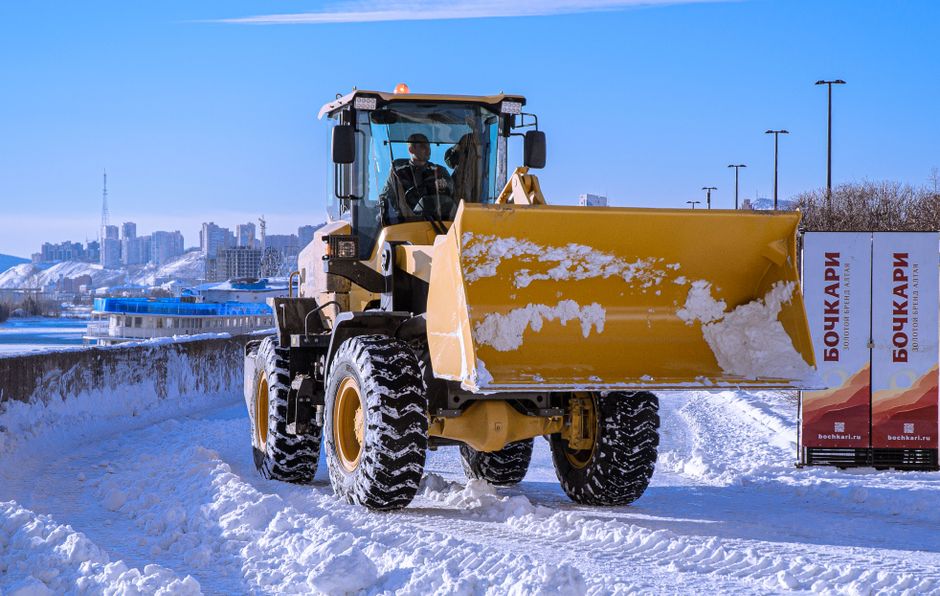
Unlike plowing, snow removal involves physically taking the snow off-site. This process is crucial when snow piles become too large and start to obstruct visibility or take up valuable space. Snow removal often requires additional equipment like loaders and dump trucks to transport the snow to a designated location.
Ice can be just as hazardous as snow, if not more so. Ice removal involves applying salt or other de-icing agents to melt ice on surfaces like sidewalks, driveways, and parking lots. This process is essential for maintaining safety and preventing accidents. The cost of salt application can range from $20 to $45, depending on the area and amount used.
The right equipment is vital for efficient snow and ice management. Commonly used equipment includes:
Each piece of equipment has its role, and the right combination ensures that snow and ice are managed effectively. Investing in modern, reliable equipment can make a significant difference in the quality and speed of service.
Understanding these aspects of commercial snow removal helps in planning and executing a successful snow management strategy. It sets the foundation for determining the right pricing methods, contracts, and profitability considerations in the following sections.
Pricing commercial snow removal involves careful consideration of several factors. Understanding these variables can help businesses like McLeod Landscaping set competitive yet profitable rates.
Overhead costs are the expenses necessary for your business to operate smoothly. They can be daunting, but they’re crucial for determining how to price commercial snow removal services. Here are some common overhead items:
Understanding and accounting for these costs ensures your pricing covers all bases and supports profitability.
Accurately estimating the job length is vital for setting fair prices. Here’s how you can do it:
A precise estimate helps prevent undercharging and ensures you can cover labor and equipment costs.
Knowing your market is key to setting competitive prices. Here are a few aspects to consider:

The type of equipment and the location of the job also influence pricing:
By understanding these factors, you can create a pricing strategy that balances profitability with competitive rates. This approach helps McLeod Landscaping maintain its reputation for reliable and efficient snow removal services.
Pricing commercial snow removal services requires choosing a method that aligns with your business goals and customer needs. Here are some common pricing methods:
Choosing the right method depends on your business model and customer preferences. Offering a mix of these options can cater to a broader range of clients.
Contracts provide stability and predictability for both you and your clients. Here are some common types:
Contracts help manage customer expectations and ensure a steady cash flow for your business. Clearly outline terms and conditions to avoid misunderstandings.
To ensure your snow removal business remains profitable, consider these factors:
Balancing these considerations will help McLeod Landscaping offer competitive, profitable snow removal services that satisfy customers and support business growth.
When it comes to how to price commercial snow removal, understanding the specific needs of different property types is crucial. Let’s break it down by commercial properties, residential properties, and special conditions.
Parking Lots
For commercial properties like parking lots, pricing often hinges on the size and complexity of the area. Parking lots can range from small, straightforward spaces to large lots with numerous obstacles. Rates typically fall between $50 and $160 per hour, depending on these factors. Consider if the lot requires additional services like salting or sanding, which can be offered at an extra charge.
Emergency Areas
Properties like hospitals or emergency service centers need rapid response times. These clients often require a “zero-tolerance” approach, meaning snow and ice must be removed immediately to ensure safety. This urgency can justify higher rates and often necessitates larger crews and specialized equipment to meet the demands swiftly.
Driveways and Sidewalks
For residential properties, the focus is usually on driveways and sidewalks. Pricing can be done per visit, typically ranging from $30 to $70 for driveways, depending on size and complexity. Sidewalks may need snow blowing instead of plowing due to space constraints. Offering a bundled service for both driveways and sidewalks can provide value and convenience for homeowners.
Roof Snow Removal
This is a specialized service that requires careful handling to avoid damage. Pricing for roof snow removal should consider the potential risks and the expertise needed. Rates might be higher than standard snow removal due to these factors.
Rural Areas
In rural settings, the distance and accessibility can significantly impact pricing. Travel time and fuel costs should be factored into the rate. Additionally, rural properties might have unique challenges like uneven terrain or longer driveways, which can increase the complexity and cost of the service.
Obstacles and Response Time
Properties with numerous obstacles, such as curbs, landscaping, or tight spaces, require more precise work and can thus be priced higher. Similarly, clients who need rapid response times, perhaps due to business needs or safety concerns, might incur additional charges. These factors should be clearly communicated to the client to ensure transparency.
By tailoring pricing strategies to these specific conditions, McLeod Landscaping can effectively meet the diverse needs of its clients, ensuring satisfaction and profitability.
Next, let’s address some common questions and concerns that clients might have about commercial snow removal pricing.
Navigating commercial snow removal can be tricky. Here, we’ll tackle some of the most common questions and concerns to help you better understand the process and what to expect.
Snow plowing and snow removal are often thought to be the same, but they serve different purposes.
Understanding these differences can help you choose the right service for your property’s needs.
Seasonal contracts are a popular choice for many businesses and property managers.
Several factors can influence the cost of snow removal services, and understanding them can help you make informed decisions:
By understanding these factors, you can better anticipate costs and select a service plan that aligns with your needs and budget.
With these insights, you’re better equipped to steer the complexities of commercial snow removal pricing. Next, let’s dig into how McLeod Landscaping can tailor its services to meet your specific needs.
Navigating the complexities of commercial snow removal pricing can seem daunting, but understanding the key factors and options available can make the process much smoother. From recognizing the differences between snow plowing and removal to choosing the right contract type, these insights empower you to make informed decisions that suit your property’s specific needs.
At McLeod Landscaping, we pride ourselves on delivering top-notch snow management services custom to the unique requirements of our clients. With over 30 years of experience in the Merrimack Valley, we offer a comprehensive range of services designed to keep your commercial property safe and accessible throughout the winter months.
Whether you’re looking for a seasonal contract or need a one-time service, our team is ready to assist. We use state-of-the-art equipment and technology to ensure efficient and reliable service.
For more information on how McLeod Landscaping can help with your commercial snow removal needs, visit our Commercial Snow Removal page.
Feel free to request an estimate online. Our experienced team is here to provide you with the best snow management solutions custom to your needs.
Thank you for considering McLeod Landscaping for your snow removal needs. We look forward to serving you and ensuring your property remains safe and operational all winter long.
Contact McLeod Landscaping today at (978) 640-0957 or click here to schedule a consultation for retaining wall installation. Let our experienced team design and install a functional and visually appealing retaining wall that enhances your landscape.


1881 Main St Unit 1, Tewksbury, MA 01876