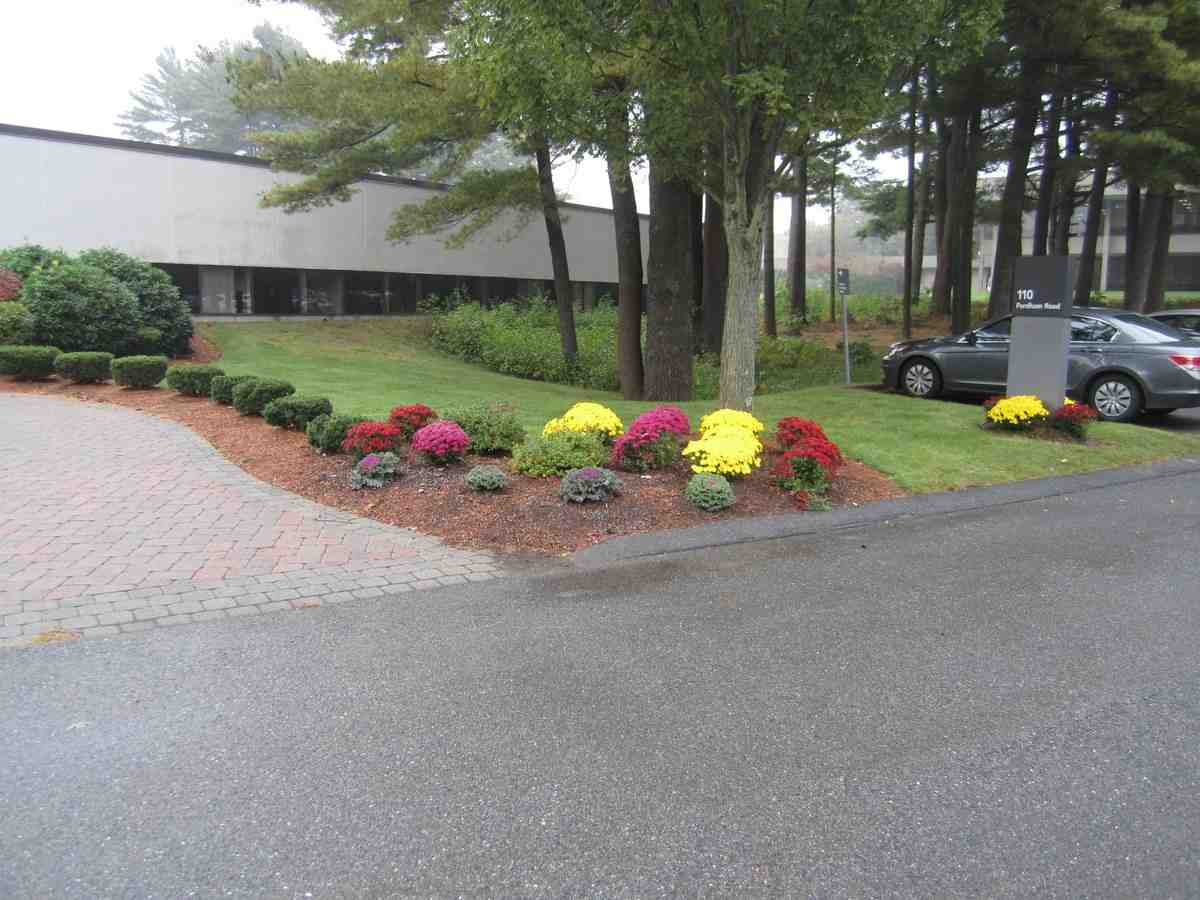
Servicing Greater Tewksbury, MA and Surrounding Towns

Commercial Landscaping Maintenance: Top 5 Essential Tips


Commercial Landscaping - commercial landscaping maintenance

Commercial landscaping maintenance is crucial for keeping business properties attractive and welcoming. This upkeep not only improves the aesthetic appeal but also increases property value, ensures safety, and reduces long-term costs. Essential practices for maintaining a pristine commercial landscape include:

  • Regular Inspections to catch early signs of wear and damage
  • Consistent Cleaning to prevent deterioration
  • Scheduled Repairs to address issues promptly
  • Greenspace Management to prevent overgrowth and improve curb appeal

Effective landscape upkeep can significantly boost your property’s image and function.

Welcome to your guide on keeping your commercial landscape in impeccable condition. I’m Scott McLeod, owner of McLeod Landscaping. With over 30 years of experience, I’ve helped countless clients in the Merrimack Valley achieve stunning outdoor spaces. My team specializes in commercial landscaping maintenance, offering custom solutions to meet your needs. This guide will help you master the essential maintenance techniques, design insights, and practical advice needed to keep your landscape vibrant and inviting year-round.
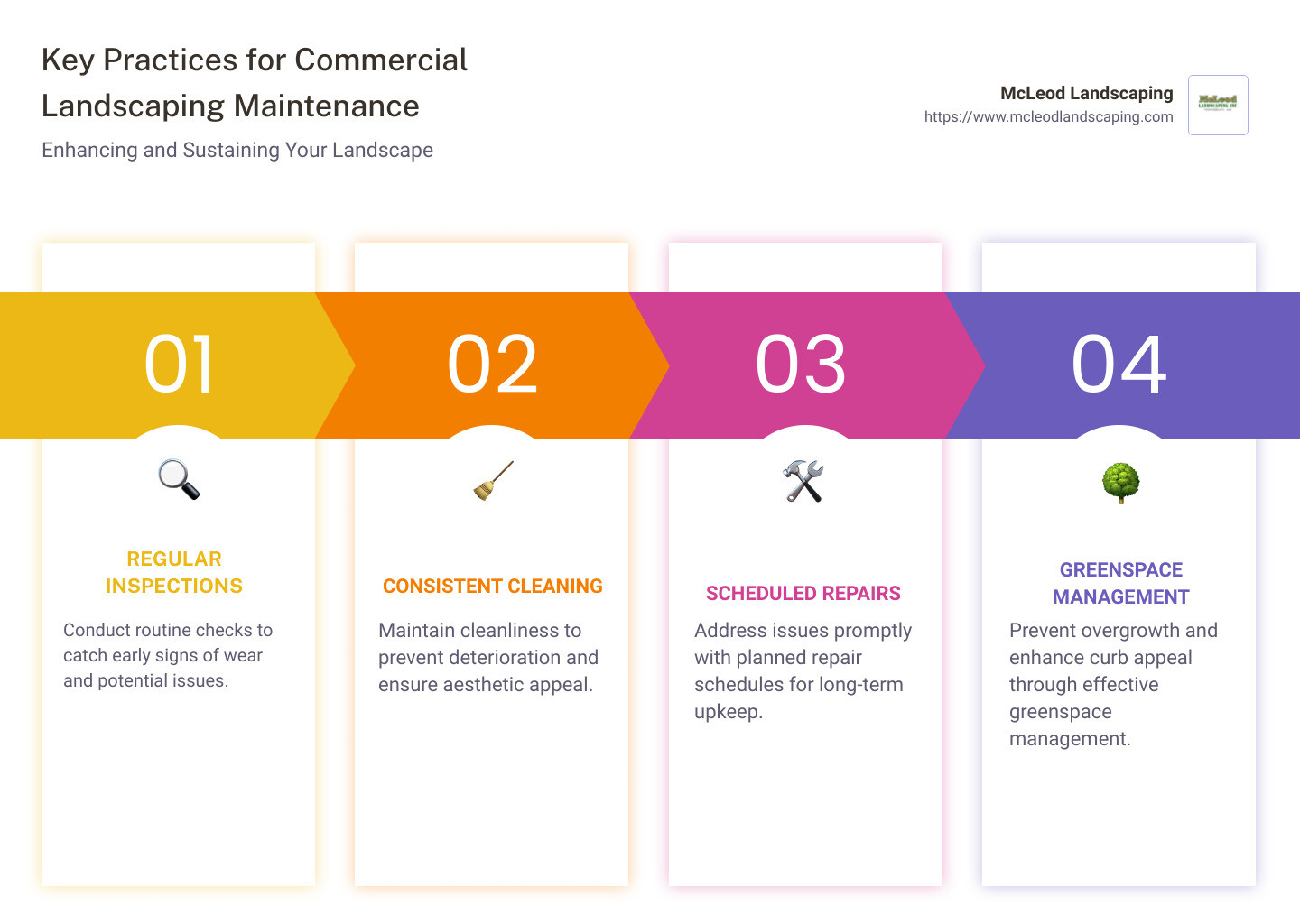
Infographic showing key commercial landscaping maintenance practices, including regular inspections, consistent cleaning, and scheduled repairs - commercial landscaping maintenance infographic pillar-4-steps

Basic commercial landscaping maintenance terms:
Commercial Landscaping
commercial landscape design
commercial landscaper

Understanding Commercial Landscaping Maintenance

Commercial landscaping maintenance is a comprehensive process that ensures business properties remain appealing, functional, and safe. It involves several key components: planning, designing, installation, and ongoing upkeep. Let’s break these down to understand how they play a role in maintaining a pristine commercial landscape.

Planning

Effective planning is the foundation of successful commercial landscaping maintenance. It begins with understanding the specific needs of the property and its users. This involves:

  • Assessing the Landscape: Evaluate the existing conditions and identify areas that require improvement.
  • Setting Objectives: Define clear goals for aesthetics, functionality, and sustainability.
  • Budgeting: Allocate resources efficiently to cover all aspects of maintenance without overspending.

Planning ensures that all efforts align with the property’s vision and long-term objectives.

Designing

Designing a commercial landscape is more than just choosing plants and arranging them aesthetically. It requires:

  • Plant Selection: Choose plants that thrive in the local climate and suit the property’s usage patterns. Consider factors like sunlight, soil type, and water availability.
  • Incorporating Hardscapes: Design elements such as walkways, patios, and retaining walls to improve the landscape’s functionality and appearance.
  • Theme Gardens: Create specialized gardens, such as rock or water gardens, to add unique character and appeal.

Designing with foresight can significantly improve the landscape’s sustainability and visual impact.

Installation

Once the design is finalized, the installation process begins. This step involves:

  • Implementing the Design: Carefully plant selected flora and construct hardscape features.
  • Setting Up Irrigation: Install efficient watering systems to ensure plants receive adequate hydration.
  • Lighting Installation: Add outdoor lighting to improve safety and highlight key features.

Proper installation is critical to avoid future issues and reduce maintenance costs.

Ongoing Upkeep

Regular maintenance is essential to keep the landscape thriving and attractive. Key practices include:

  • Lawn Care: Mowing, aerating, and fertilizing to maintain lush, green grass.
  • Pruning and Trimming: Keeping trees and shrubs healthy and well-shaped.
  • Weed and Pest Control: Using eco-friendly methods to manage unwanted plants and pests.
  • Seasonal Adjustments: Adapting maintenance routines to suit seasonal changes, such as mulching in fall or snow removal in winter.

Ongoing upkeep ensures the landscape remains vibrant and minimizes long-term repair costs.

By understanding and implementing these components, businesses can maintain landscapes that not only look great but also improve the property’s value and appeal. This comprehensive approach to commercial landscaping maintenance is key to creating and sustaining beautiful outdoor environments.

Essential Maintenance Practices

To keep your commercial landscape pristine, several essential maintenance practices must be part of your routine. These practices ensure that the landscape remains healthy, safe, and visually appealing throughout the year.

Mowing

Regular mowing is crucial for maintaining a neat and professional appearance. It involves:

  • Consistent Schedule: Mow at regular intervals to prevent overgrowth and maintain even grass height.
  • Proper Technique: Use sharp blades and change mowing patterns to avoid soil compaction and wear patterns.
  • Grass Height: Keep grass at an optimal height to promote healthy growth and prevent weed invasion.

By maintaining a consistent mowing schedule, you ensure a lush and inviting landscape.

Gardening

Gardening is an integral part of landscape maintenance, focusing on plant health and aesthetics:

  • Plant Care: Regularly water, fertilize, and prune plants to encourage growth and prevent diseases.
  • Weed Control: Use eco-friendly methods to manage weeds and prevent them from overtaking garden beds.
  • Seasonal Planting: Introduce seasonal flowers and plants to keep the landscape vibrant year-round.

Effective gardening practices improve the beauty and sustainability of your commercial landscape.

Mulching

Mulching offers several benefits, from improving soil health to enhancing visual appeal:

  • Moisture Retention: Mulch helps retain soil moisture, reducing the need for frequent watering.
  • Weed Suppression: A layer of mulch prevents weeds from emerging and competing with plants.
  • Temperature Regulation: Mulch insulates soil, protecting roots from extreme temperature fluctuations.

Applying mulch regularly can significantly improve plant health and landscape aesthetics.

Snow Removal

In regions with winter snowfall, snow removal is vital for safety and accessibility:

  • Timely Clearing: Remove snow promptly from walkways, driveways, and entryways to prevent accidents.
  • Use of De-Icers: Apply eco-friendly de-icing products to minimize ice formation and ensure safety.
  • Equipment Maintenance: Keep snow removal equipment in good condition for efficient operation.

Snow removal not only keeps the property safe but also maintains the landscape’s integrity during winter months.

By incorporating these essential maintenance practices into your routine, you ensure that your commercial landscape remains pristine and inviting. Each practice plays a critical role in maintaining the landscape’s health and appearance, contributing to the property’s overall value and appeal.

Seasonal Adjustments for Optimal Results

In commercial landscaping maintenance, understanding the seasonal needs of your landscape is key to keeping it in top shape year-round. Each season brings unique challenges and opportunities. Here’s how to plan and adjust for optimal results.

Spring and Summer: Growth and Vibrancy

During spring and summer, focus on nurturing growth and maintaining vibrant displays. This involves:

  • Seasonal Planting: Introduce colorful annuals and perennials that thrive in warmer weather. Consider drought-tolerant varieties to conserve water.
  • Irrigation Management: Ensure your irrigation system is set up to provide consistent watering. Adjust settings based on rainfall and temperature changes.
  • Pest and Disease Control: Warmer months can bring pests. Regularly inspect plants and use environmentally friendly treatments as needed.
  • Regular Pruning: Trim shrubs and trees to encourage healthy growth and improve their shape.

Fall: Preparation for Winter

Fall is the time to prepare your landscape for the colder months ahead. Key actions include:

  • Leaf Removal: Regularly clear fallen leaves to prevent them from smothering grass and causing diseases.
  • Mulching: Apply a fresh layer of mulch to protect plant roots from freezing temperatures and retain soil moisture.
  • Gutter Maintenance: Clean gutters and downspouts to ensure proper drainage and prevent water damage.
  • Tree and Shrub Care: Prune dead or weak branches to reduce the risk of storm damage.

Winter: Protection and Maintenance

Winter requires a shift towards protection and maintenance to ensure plant health and safety:

  • Snow Removal: Keep pathways clear of snow and ice to ensure safety. Prompt removal helps prevent damage to plants and hardscapes.
  • Winterizing Plants: Protect sensitive plants with burlap wraps or covers to shield them from harsh winds and frost.
  • Equipment Check: Inspect and maintain all landscaping equipment to ensure it’s ready for spring.

Schedule Planning for Year-Round Success

To effectively manage these seasonal tasks, create a detailed maintenance schedule. This should outline:

  • Monthly Tasks: Break down tasks by month to ensure nothing is overlooked.
  • Resource Allocation: Assign specific tasks to team members, ensuring you have enough skilled workers to meet seasonal demands.
  • Regular Reviews: Periodically review and adjust your schedule based on weather patterns and plant health.

Effective schedule planning can significantly improve landscape outcomes. - commercial landscaping maintenance infographic checklist-light-blue-grey

By making these seasonal adjustments, you not only protect your landscape but also improve its beauty and resilience, ensuring it remains an asset to your commercial property throughout the year.

Next, we’ll explore how to overcome common challenges in commercial landscaping maintenance, from finding skilled workers to meeting regulatory requirements.

Overcoming Common Challenges

In commercial landscaping maintenance, challenges are part of the job, but with the right strategies, you can tackle them head-on. Let’s explore some of the most common problems and how to overcome them.

Skilled Workers: Recruiting and Retaining Talent

Finding and keeping skilled workers is a top concern in the landscaping industry. In fact, a report highlighted that 86% of landscaping firms have at least one job opening, and 84% of owners struggle with this issue.

Solutions:

  • Apprenticeship Programs: Start apprenticeship programs to train newcomers. This not only fills positions but builds a pipeline of skilled workers.
  • Career Readiness Initiatives: Partner with high schools to introduce students to landscaping careers early on.
  • Referral Rewards: Encourage current employees to refer friends by offering bonuses or incentives.
  • Competitive Packages: Offer competitive wages, benefits, and opportunities for advancement to attract and retain talent.

Customer Expectations: Clear Communication is Key

Aligning with customer expectations can be tricky without clear communication. Misunderstandings can lead to dissatisfaction, so it’s crucial to be upfront about services.

Strategies:

  • Detailed Contracts: Clearly outline the services you provide in contracts. This sets the stage for a smooth relationship.
  • Regular Updates: Keep clients informed about maintenance schedules and any changes. Regular communication builds trust.
  • Feedback Loops: Encourage feedback from clients to understand their needs and adjust your services accordingly.

Regulatory Requirements: Staying Compliant

Navigating regulatory requirements is essential to avoid fines and legal issues. If you’re transitioning from residential to commercial landscaping, be prepared for different regulations.

Action Steps:

  • Research Regulations: Familiarize yourself with local, state, and federal regulations that pertain to commercial landscaping.
  • Consult Experts: If in doubt, consult with experts or legal advisors to ensure compliance.
  • Continuous Education: Stay updated on any changes in regulations through workshops or industry publications.

By addressing these common challenges with proactive strategies, your commercial landscaping business can thrive. Next, we’ll tackle some frequently asked questions about commercial landscaping maintenance.

Frequently Asked Questions about Commercial Landscaping Maintenance

What is a good profit margin for a landscape maintenance business?

Profit margins in the landscape maintenance industry can vary, but a healthy profit margin typically ranges between 10% and 20%. This margin depends on various factors like location, the scale of operations, and efficiency in managing expenses. To achieve this, it’s crucial to keep a close eye on both expenses and net profit.

  • Expenses: These include labor costs, equipment maintenance, and materials. Efficient management of these can help improve profitability.
  • Net Profit: After covering all expenses, the remaining revenue contributes to your net profit. Aiming for consistent growth in net profit is key to maintaining a healthy business.

What is the difference between landscape management and landscape maintenance?

Understanding the distinction between landscape management and landscape maintenance is essential for businesses offering these services.

  • Landscape Maintenance involves regular, routine tasks like mowing, trimming, and mulching. It’s about executing fixed procedures to keep landscapes looking their best.
  • Landscape Management, on the other hand, is more strategic. It involves dynamic planning to improve and sustain the landscape over time. This might include soil health assessments, pest control strategies, and long-term plant care plans.

While maintenance focuses on routine care, management is about the bigger picture and adapting to changes in the landscape.

What is commercial landscaping?

Commercial landscaping is the art and science of designing, installing, and maintaining outdoor spaces for businesses. This involves several components:

  • Horticulture: The practice of selecting and nurturing plants that will thrive in a specific environment.
  • Planning: Developing a layout that meets the aesthetic and functional needs of a business.
  • Design: Crafting a visually appealing space that aligns with a company’s brand and values.
  • Installation: Implementing the design through planting, building structures, and installing features like water elements.

By combining these elements, commercial landscaping transforms ordinary spaces into welcoming and functional environments that improve the appeal and value of business properties.

Next up, let’s conclude with a look at how McLeod Landscaping’s comprehensive services can help you achieve a pristine commercial landscape in the Merrimack Valley.

Conclusion

At McLeod Landscaping, we understand that maintaining a pristine commercial landscape is crucial for enhancing business appeal and functionality. With over 30 years of experience serving the Merrimack Valley, we offer comprehensive services custom to meet the unique needs of commercial, municipal, and residential clients.

Our team specializes in landscape design, installation, maintenance, and commercial snow management. This means you get a full suite of services from one reliable provider, ensuring your outdoor spaces are not only beautiful but also sustainable and functional year-round.

Whether it’s crafting a new landscape vision or maintaining existing green spaces, our expertise ensures your property always looks its best. Our commitment to quality and customer satisfaction sets us apart, making us the trusted choice for commercial landscaping in the region.

Ready to transform your commercial landscape into a stunning and welcoming space? Find our commercial landscaping services and see how we can help improve your property’s image and value. Let McLeod Landscaping be your partner in creating an outdoor environment that leaves a lasting impression.


Contact Us Today

Contact McLeod Landscaping today at (978) 640-0957 or click here to schedule a consultation for retaining wall installation. Let our experienced team design and install a functional and visually appealing retaining wall that enhances your landscape.

McLeod Landscaping How to Keep Your Commercial Landscape Pristine: Maintenance Essentials

Table Of Contents

Landscape & Hardscape Professionals Servicing , MA

McLeod Landscaping, Inc.

1881 Main St Unit 1, Tewksbury, MA 01876

Stay Connected